
Communication and Cultural Tips for First-Time Singapore Employers
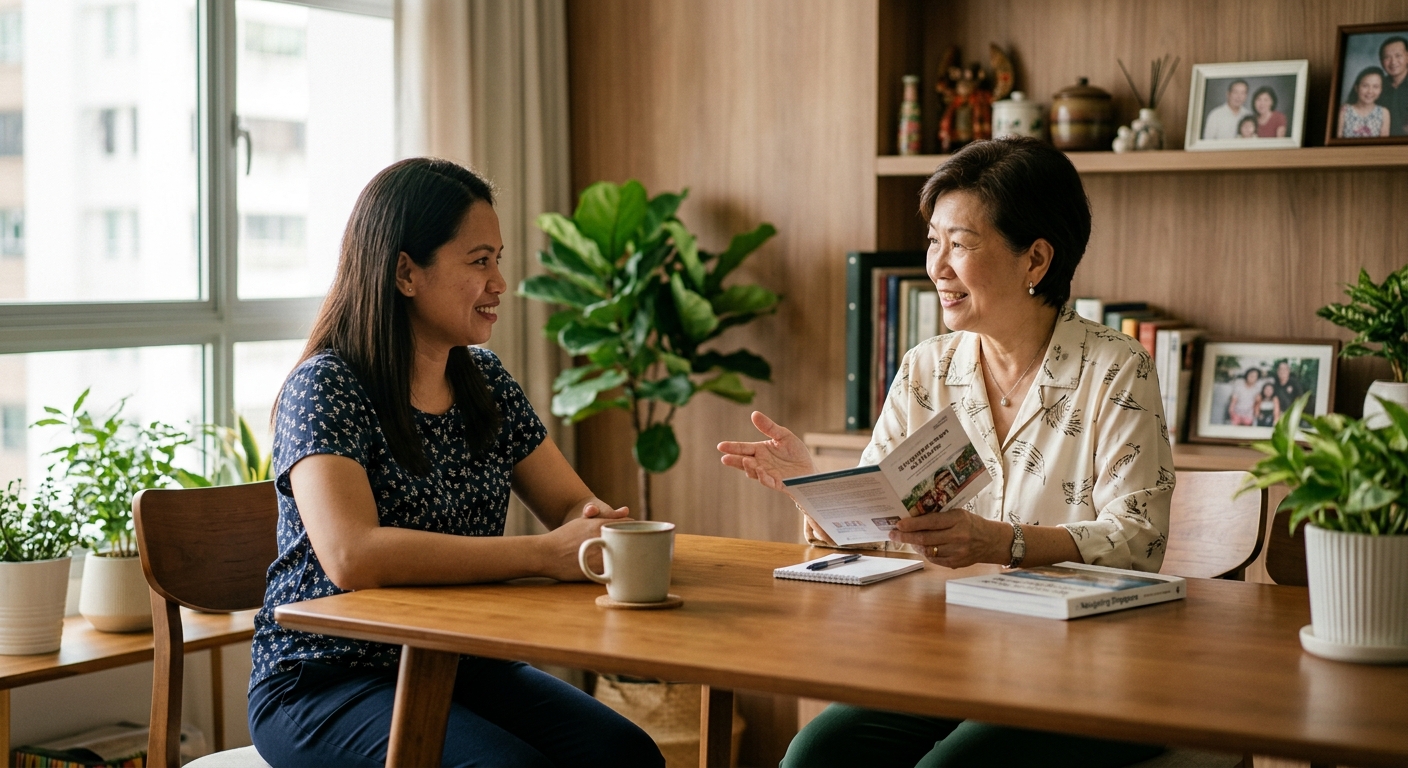
Bringing a domestic helper into your home changes the rhythm of family life. For many families, the work itself is straightforward—cleaning, cooking, childcare, eldercare—but the real make-or-break factor is often communication. This guide shares practical communication and cultural tips for first-time Singapore employers, especially when working with Filipino domestic helpers, so your household can settle in with clarity, respect, and less stress for everyone.
Start with a clear working relationship (not "mind reading")
Many misunderstandings happen because both sides assume the other will "just know" what to do. In Singapore homes, routines can be very specific—how you want laundry sorted, how the rice is cooked, how the kids’ school bags are packed. In the Philippines, household practices can be different, even if your helper is experienced.
Set expectations early, in plain language
In the first week, focus on clarity rather than speed.
- Explain what "good" looks like (e.g., "floor is dry and no sticky spots," not only "mop the floor").
- Use simple terms and short instructions, especially at the start.
- Confirm understanding by asking, "Can you tell me what you will do first?" instead of "Do you understand?" (Most people will say yes to be polite.)
Write down the essentials
A simple one-page routine can prevent repeated reminders and reduce stress.
Include:
- Daily priorities (e.g., baby care, meal prep, cleaning zones)
- Weekly schedule (marketing day, deep-clean items)
- Safety rules (gas stove, toddler gates, medication handling)
- Your family’s "must-not" items (e.g., no photos of children on social media)
If you’re still deciding who fits your home, starting with a structured hiring process helps. You can browse our helper directory and shortlist profiles that match your family’s needs and communication style.
Communication basics: tone, language, and Singapore home norms
Communication is more than English level. It’s also tone, pace, and the unspoken expectations that come from culture.
Keep your tone firm but respectful
In many Filipino households, respect is shown through polite language and calm delivery. A raised voice can be interpreted as anger, not urgency.
Try:
- "Please do it this way next time" instead of "Why you always do wrong?"
- "Let’s fix this together" when correcting mistakes
- Praise for effort when learning your preferences (this supports confidence and retention)
Use “one instruction, one outcome”
First-time employers sometimes give layered instructions all at once:
"Clean the bathroom, then wash the towels, later cook, and also remember to take the medicine for Ah Ma."
Break it down:
- "Please clean the bathroom now."
- "After that, wash the towels."
- "At 12pm, remind Ah Ma for medicine."
This simple approach reduces errors, especially in the first month.
Check understanding without making it personal
A practical technique is “teach-back.”
- You: "The milk bottles must be washed and sterilised like this."
- Helper: repeats steps back to you.
It is not testing. It is a safety process—very important for infant care, allergy handling, and elderly medication routines.
Cultural context: Filipino helpers in Singapore homes
Good relationships form when both sides feel respected. Understanding cultural background helps you interpret behaviour correctly.
“Yes, Ma’am” may mean “I heard you,” not “I can do it”
Filipino communication can be polite and agreeable. A helper may say yes to avoid appearing disrespectful, even if she is unsure or overwhelmed.
What helps:
- Ask follow-up questions: "Which part is unclear?"
- Encourage honesty: "If you’re not sure, tell me, it’s okay. We will learn."
- Normalise clarifying: "In our home, we prefer you ask rather than guess."
Saving face and avoiding shame
If a helper feels scolded in front of children, relatives, or visitors, she may become quiet or anxious. Address issues privately whenever possible.
- Correct in the kitchen, not in the living room with guests.
- Focus on the task, not personality (avoid labels like "lazy" or "careless").
Family ties and remittances are a big part of motivation
Many Filipino helpers carry responsibilities back home—children’s school fees, parents’ medical costs. A little empathy goes a long way.
Practical employer habits that build goodwill:
- Pay salary on time, with a clear payslip record.
- Be transparent about deductions (only if lawful and agreed).
- Support rest days and reasonable communication with family.
If you want a clear overview of hiring steps and what’s typical in Singapore, you can explore other guides and save the ones relevant to your family situation.
Setting house rules that feel fair (and are MOM-aligned)
Rules are normal in any workplace. The key is that rules must be clear, reasonable, and aligned with Singapore’s regulations and safe employment practices.
Start with safety, privacy, and boundaries
House rules first month (example list):
- Phone use: when allowed (e.g., after chores, during rest time)
- Photos: no posting of employer’s children/home online
- Visitors: not allowed in the home unless employer agrees
- Food: what is free-to-eat, what is reserved for special diets
- Sleep/rest: consistent bedtime and wake time (avoid excessive late-night demands)
Clarify rest day arrangements and communication
Under MOM rules, employers must provide at least one rest day per week, or compensation in lieu by mutual agreement. Even when rest day is not taken, the arrangement should be discussed respectfully and recorded properly.
For Filipino helpers, rest days often include going to church, meeting friends, or running errands in areas like Lucky Plaza (Orchard), where many Filipino services and remittance centres are available. Supporting a predictable rest schedule helps morale and reduces burnout.
Be careful with “loan” and “debt” conversations
Some helpers arrive with placement costs handled in different ways depending on the legal hiring channel. Avoid informal debt arrangements. If there are salary deductions, ensure they are lawful, transparent, and clearly documented.
When in doubt, speak with an agency consultant who understands current practice and compliance. You can see our services to understand how we guide employers through documentation and onboarding.
Practical onboarding plan for the first 30 days
A strong first month prevents most long-term issues. Here’s a workable structure for first-time employers.
Week 1: Orientation and observation
Focus: home layout, family routine, safety.
- Walk through the home: where items are kept, what is fragile, what is off-limits.
- Demonstrate your preferred methods: cooking, cleaning products, baby handling.
- Keep tasks lighter while she learns your standard.
Week 2: Build routine and confidence
Focus: repeatable routines.
- Introduce a daily checklist.
- Start with core duties first (childcare schedule, meal prep) before adding extras.
- Correct gently and immediately—small corrections early prevent bad habits.
Week 3: Gradual independence
Focus: decision-making within boundaries.
- Allow her to plan a simple meal, then review.
- Assign ownership of certain areas (e.g., bathrooms, laundry) with clear standards.
- Ask for her suggestions: "What helps you do this better?"
Week 4: Review and adjust expectations
Focus: alignment.
Have a calm review conversation:
- What’s going well?
- What’s still hard?
- Which tasks need clearer instructions?
- Are rest and sleep adequate?
If you are hiring soon and want a structured way to define these expectations before matching, you can start a hiring application so our consultants can recommend suitable profiles and advise on onboarding.
Handling misunderstandings and conflicts without damaging trust
Even good matches face friction. What matters is how you repair.
Separate the issue from the person
Instead of: "You are so careless." Say: "The pan was left on high heat. This is dangerous. Next time, please set a timer and stay in the kitchen."
This keeps dignity intact while making the standard clear.
Use a simple incident review format
When something goes wrong, keep it consistent:
- What happened? (facts)
- Why it matters (safety/health/cost)
- What to do next time (specific steps)
Avoid collecting “old mistakes”
If you bring up 10 past issues at once, your helper may shut down. Address problems early, then move on once corrected.
When to involve a third party
Consider involving your agency consultant if:
- Communication breaks down repeatedly
- There are safety issues (child supervision, gas stove incidents)
- You suspect stress, anxiety, or misunderstanding due to language
- Expectations changed (e.g., elder’s care needs increased)
An experienced consultant can mediate neutrally and help both sides reset expectations. If you need guidance, you can contact our consultants for a practical next step.
Respectful communication about religion, food, and personal wellbeing
These everyday topics can create tension if handled carelessly.
Religion and church time
Many Filipino helpers are Catholic or Christian, and attending church can be important. If your schedule allows, discussing church timing early can prevent repeated negotiation and frustration.
Food preferences and “what is allowed”
Food can be emotional. Clarify:
- Which items are shared household groceries
- Any dietary needs (halal, vegetarian, diabetic-friendly meals for elderly)
- Whether she can cook her own food occasionally
A fair approach is to set boundaries while ensuring she has enough nutritious meals. A helper who feels physically well tends to perform better and communicates more calmly.
Mental load and homesickness
Homesickness is common, especially during the first 1–3 months. You may notice quietness, tears, or reduced confidence.
Supportive employer habits:
- A predictable routine and clear rest times
- Kind check-ins: "How are you settling in?" once a week
- Encouraging her to call family on rest day
This is not about being overly familiar. It’s about creating stability.
Travel, documentation, and the Philippines process (what employers should know)
For Filipino domestic helpers, documentation can involve the Philippine Embassy and Philippine overseas employment requirements. While agencies typically guide the administrative side, employers benefit from understanding the broad picture so you can plan timelines and reduce stress.
OEC and re-entry planning
The Overseas Employment Certificate (OEC) is a key document tied to overseas employment processes for Filipinos. When your helper travels, documentation requirements and appointments can affect travel dates.
Employer-friendly tips:
- Avoid last-minute travel plans that require urgent paperwork.
- If your helper needs to visit the Philippine Embassy for documentation, plan time off properly.
- Keep copies of key documents securely (passport particulars, work permit details) while respecting privacy.
Align on travel rules before urgent situations happen
Discuss in advance:
- What happens if there is a family emergency back home?
- Who to notify first (employer, agency)?
- Notice periods for leave where possible
A calm discussion early prevents emotional conflict later.
Making the Right Choice
The best results come from matching expectations, communication style, and caregiving needs—not only experience on paper. If you’re a first-time employer, the most helpful mindset is: be clear, be fair, and be consistent. With these communication and cultural tips for first-time Singapore employers, many families find that trust grows naturally over time.
If you’d like guidance tailored to your household (young children, newborn, elderly care, cooking preferences, sleep arrangements), Happy Home Agency can support you from selection to settling-in through our structured matching and after-placement care. You can start a hiring application to share your needs, or contact our consultants to speak with us (including WhatsApp) about the right profile and onboarding plan for your home.
Questions & answers
Let Happy Home Agency match your family with someone you can trust.
Since 2006, we've helped Singapore families find the right helper — not just any helper. EA Licence 06C4290.
Related articles
Hiring a Filipino helper in Singapore involves clear MOM rules, Philippine Embassy processes, and practical fit checks at home. Here’s a complete, family-first guide.
Considering a Filipino helper in Singapore? Learn the step-by-step hiring process, expected costs, MOM rules, OEC basics, and practical tips to match your household well.
Hiring a helper starts with the right MOM steps. Learn how the MOM work permit for domestic helper works, what you must prepare, and common pitfalls to avoid.