
Communication and Cultural Tips for First-Time Singapore Employers
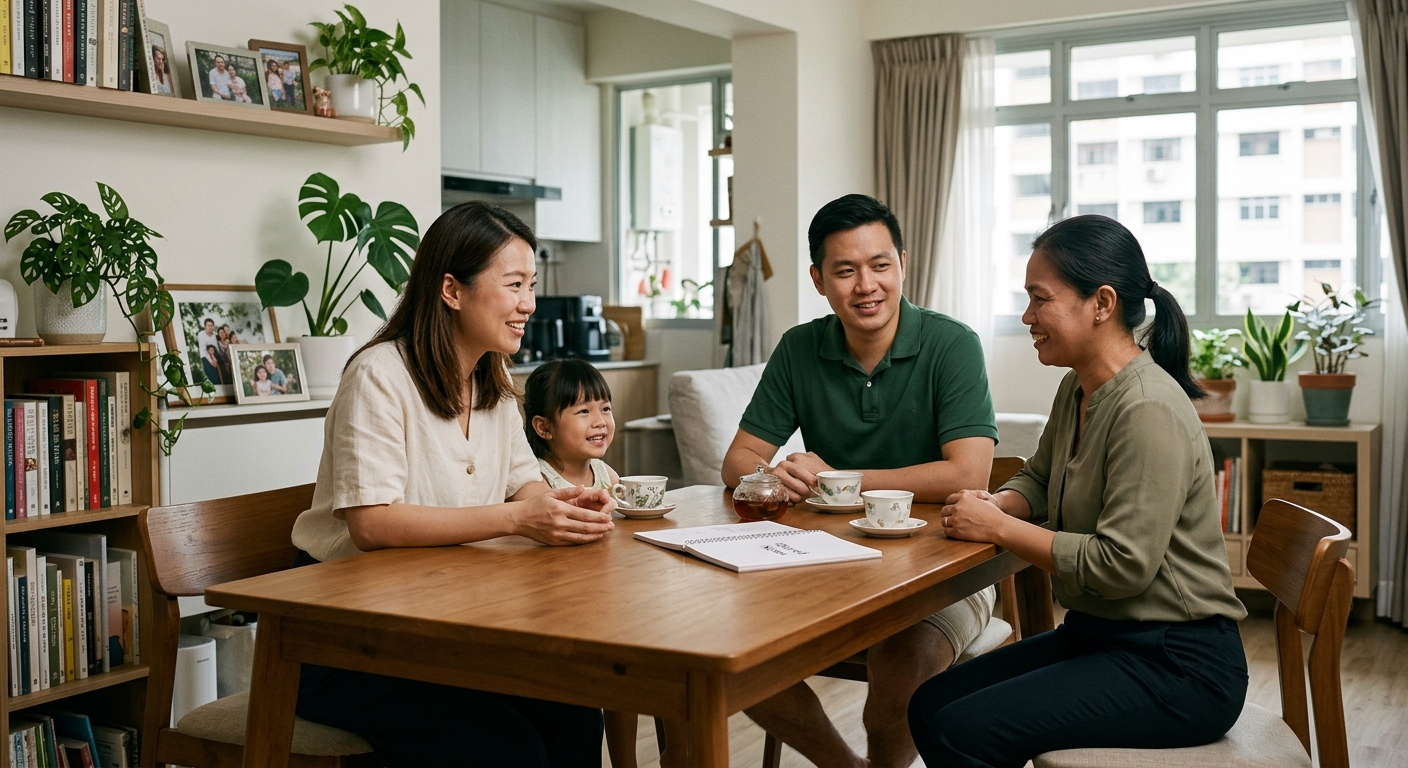
Bringing a domestic helper into your home changes the rhythm of daily life—often for the better, but only when expectations and communication are handled with care. For many families, the first few weeks are where misunderstandings happen: a task is done differently than you expected, a tone is taken the wrong way, or both sides feel shy to ask questions. This guide on communication and cultural tips for first-time Singapore employers is written for Singapore households hiring a Filipino domestic helper, with practical ways to build trust, clarity, and a respectful working relationship from Day 1.
Start with a shared understanding (before the first day)
A smooth working relationship starts before your helper begins work. Many issues are not about attitude; they come from different assumptions. As a first-time employer, you can reduce uncertainty by setting a clear foundation in writing and in conversation.
Align on job scope and priorities
Even within the same job title, families differ: some prioritise infant care, others elderly care, cooking, or housekeeping. Be specific about what “good” looks like in your household.
Consider discussing:
- Daily and weekly routines (school runs, therapy sessions, cooking frequency)
- Non-negotiables (medicine timing, allergy rules, screen-time limits)
- Your standards for cleanliness (e.g., dry vs wet mopping, how often to wash curtains)
- Food preferences (halal handling, pork restrictions, separate utensils)
If you are still deciding on a suitable profile, browsing our helper directory helps you short-list candidates with the right experience so communication is easier from the start.
Put key items in a simple “home guide”
A short, friendly “home guide” can prevent repeated reminders. Keep it practical, not overly formal.
Include:
- Emergency contacts and your address (in case she needs to communicate with ambulance or neighbours)
- Locations of first-aid kit, circuit breakers, gas shut-off
- Household rules (visitors, phone use during work, quiet hours)
- Instructions for appliances (washing machine modes, induction hob, steriliser)
Clarify salary, rest days, and basic boundaries early
In Singapore, employers must follow MOM regulations on employment conditions, including timely salary payment and ensuring adequate rest. While this article focuses on communication and culture, good boundaries reduce stress and resentment.
Talk through:
- Salary payment date and method
- Rest day arrangement (weekly rest day is the norm; if any rest day is compensated, document clearly)
- Privacy boundaries (where she sleeps, storage space, bathroom arrangements)
If you’re unsure how to structure these arrangements fairly and compliantly, you can review our services or contact our consultants for guidance based on your household needs.
Communicate clearly: simple words, specific outcomes
Language gaps are common, especially at the beginning. Filipino helpers generally speak English well, but accent, speed, and Singapore-specific expressions can still cause confusion. The goal isn’t “perfect English”—it’s shared clarity.
Use simple, direct instructions (and avoid Singlish in critical tasks)
Singlish is warm and familiar to Singaporeans, but it can be confusing to someone new. For safety-related tasks (baby care, elderly transfers, cooking, cleaning chemicals), keep language simple.
Instead of:
- “Later you settle the kitchen can already.”
Try:
- “Please wash the dishes, wipe the stove, and sweep the floor after dinner. Finish by 8:30pm.”
Give one task list, not many scattered reminders
Multiple instructions given throughout the day can feel overwhelming and are easier to forget. A single daily checklist (paper on the fridge or a notes app) helps both sides.
A helpful format:
- Morning: laundry, prepare lunchbox, wipe dining table
- Afternoon: mop living room, iron uniforms
- Evening: wash dishes, prepare ingredients for tomorrow
Confirm understanding without sounding distrustful
A common mistake is asking “Understand?” repeatedly. Many helpers will say “yes” out of politeness, even if they are unsure. A better method is “teach-back”.
You can say:
- “Just to make sure I explained clearly, can you tell me what you’ll do first after baby’s bath?”
This feels collaborative, not interrogative.
Watch your tone and timing
In many Filipino households, respect is shown through gentle tone and non-confrontational correction. If you correct your helper in front of children, elderly parents, or visitors, she may feel embarrassed and shut down.
Practical tip: choose a quiet moment, speak privately, and focus on the process (what to do next time) instead of blame.
Understand cultural norms: respect goes both ways
Cultural sensitivity doesn’t mean tiptoeing around issues. It means understanding the “why” behind behaviour, so you can manage it fairly.
“Hi/Hello” and small talk matter more than you think
In many Filipino workplaces and homes, a friendly greeting is basic respect. A helper who feels unseen may become emotionally withdrawn, which affects communication.
Simple habits help:
- Greet her in the morning and when you return home
- Ask a short check-in question: “How was your day?”
- Say “thank you” for completed tasks (especially in the first month)
This is not “pampering”; it’s good household leadership.
Family ties and remittances are central
Many Filipino helpers are supporting children or parents back home. This can explain why they are careful with money, anxious about phone calls, or keen to settle quickly. Agree on reasonable phone usage windows so she can stay connected without disrupting work.
If she needs to handle Philippine employment documentation, be aware of processes like the Overseas Employment Certificate (OEC), which is tied to legal overseas deployment. Legitimate placement channels and clear paperwork reduce stress for everyone.
Religion and personal practices
Most Filipino helpers are Catholic or Christian, though not always. Clarify:
- Church attendance on rest days
- Dietary considerations
- Comfort level with handling pork/alcohol (some may be fine; some may prefer not to)
The aim is practical coordination, not debate.
“Saving face” and indirect feedback
Some helpers may avoid disagreeing openly, especially early on. If you ask, “Can you manage?” she may say yes even when it’s too much. Ask more specific questions:
- “Which part is hardest for you today?”
- “Do you prefer to cook first, or clean first? Why?”
This invites honest information.
Set expectations on privacy, space, and dignity
Living where you work can be emotionally taxing. For first-time employers, it helps to plan for dignity and personal space while still maintaining household security.
Give a defined place for her belongings
Even if space is tight, allocate a shelf, drawer, or storage box that is hers. This reduces clutter disputes and signals respect.
Avoid “always on duty” messaging
Many conflicts arise when helpers feel there is no end to the day. Create a reasonable structure:
- Define waking and sleeping times (where possible)
- Batch non-urgent requests (e.g., tell her at 6pm what’s needed for tomorrow)
- Avoid late-night chores unless truly necessary
Manage CCTV and privacy carefully
Some families install CCTV for safety. If you do, be transparent about where cameras are placed. Cameras should never be installed in private areas like bathrooms or the helper’s sleeping area. Transparency builds trust; secrecy destroys it.
Handle mistakes: correct early, kindly, and consistently
Your helper will make mistakes while learning your preferences. The question is how you respond. Calm, consistent correction is one of the most valuable communication and cultural tips for first-time Singapore employers.
Use this 3-step correction framework
- Describe what happened (factually): “The floor is sticky after mopping.”
- Explain the impact: “Baby crawls here, so it must be clean.”
- Show the standard: “Use two-bucket method: one for soap, one for rinse. Let’s do it together once.”
This avoids personal attacks like “You are careless.”
Separate performance from character
Avoid labels (lazy, stubborn, blur). These make people defensive. Focus on behaviour you can both change.
Praise the right things
Praise builds motivation, but it should be specific:
- “Thank you for cutting the vegetables evenly—cooking was faster today.”
This encourages repeatable behaviour.
Food, language, and “Singapore ways”: practical integration tips
Small daily habits can become big friction points. Address them early, especially around food and communication style.
Cooking expectations: don’t assume, demonstrate
Even experienced helpers may not know your preferred dishes. Singapore home cooking can be diverse—Chinese soups, Malay dishes, Indian curries, Western meals.
Practical ways to integrate:
- Start with 5-8 “default meals” your family eats regularly
- Cook together once a week for the first month
- Use photos: take pictures of portion sizes and lunchbox layout
If you want a helper with stronger cooking confidence (or specific dietary experience), short-list carefully via our helper directory and discuss during interviews.
Groceries and budgeting: be explicit
Different households have very different grocery budgets. Give a weekly amount and a clear list. If you prefer certain brands (baby detergent, olive oil), specify.
A simple method:
- Weekly grocery budget: $X
- Must-buy items: milk, fruit, bread, vegetables
- Optional items: snacks, drinks (with price cap)
Accents and speed: slow down, then speed up
In Singapore we often speak quickly. In the first two weeks:
- Speak 20% slower
- Use fewer abbreviations
- Avoid sarcasm (it does not travel well across cultures)
Over time, communication will naturally become faster.
Rest days, social life, and safety: support without controlling
A helper who rests well works better and communicates more calmly. Rest days are also when many helpers meet friends, handle remittances, attend church, or run errands.
Agree on reasonable check-in expectations
Some first-time employers feel anxious when a helper goes out. Instead of constant calls, agree on a simple check-in:
- “Please message when you reach and when you’re heading home.”
Keep it respectful. Excessive monitoring can damage trust.
Be aware of common meet-up areas (and plan transport clearly)
Many Filipino helpers meet around Lucky Plaza (Orchard) on rest days because it’s convenient for Filipino food, remittance services, and community support. This is normal. If your household has safety concerns, discuss them calmly:
- what time to be home
- what to do if she is delayed
- who to call in an emergency
Loans and money requests: handle carefully
If a helper asks for a loan, don’t respond emotionally. Ask why, ask for details, and consider seeking agency guidance. Some families prefer a clear “no-loans” policy to avoid long-term complications.
Documentation, onboarding, and staying compliant (without stress)
Good communication includes being clear about administrative steps, timelines, and what you expect from each other. For Filipino helpers, paperwork can involve both Singapore and Philippine requirements.
Know the key stakeholders
- MOM: work permit conditions, employer obligations, safety and wellbeing expectations
- Philippine Embassy / POLO-related processes: may be relevant for documentation support and welfare matters
- Your agency: matching, counselling, settling-in support, and ongoing advice
If you’re hiring for the first time, using a reputable agency helps ensure the process is properly managed—from interviews to arrival to post-placement support. You can start a hiring application to share your household needs and get a structured recommendation.
Treat “Settling-In” as a real phase
Plan a settling-in period (usually the first 2–4 weeks). During this time:
- Reduce non-essential expectations
- Focus on safety, routine, and standards
- Do short weekly check-ins (15 minutes is enough)
A simple weekly check-in agenda:
- What went well this week?
- What was confusing?
- One improvement for next week
This structure reduces emotional, late-night “scolding sessions” that often cause long-term resentment.
Where Happy Home Agency fits in
Good relationships don’t happen by luck; they’re built through the right match and the right start. At Happy Home Agency (EA Licence 06C4290, est. 2006), we guide families through hiring and onboarding, with practical coaching that fits real Singapore households—not ideal scenarios.
If you’re preparing to hire and want fewer misunderstandings, our team can help you apply these communication and cultural tips for first-time Singapore employers in a way that suits your home layout, your family schedule, and the helper’s experience level. You can start a hiring application anytime, or contact our consultants (including WhatsApp) for a calm, no-pressure discussion. For related reading, browse other guides or learn more about our services and how we support employers beyond placement.
Questions & answers
Let Happy Home Agency match your family with someone you can trust.
Since 2006, we've helped Singapore families find the right helper — not just any helper. EA Licence 06C4290.
Related articles
Hiring a Filipino helper in Singapore involves clear MOM rules, Philippine Embassy processes, and practical fit checks at home. Here’s a complete, family-first guide.
Considering a Filipino helper in Singapore? Learn the step-by-step hiring process, expected costs, MOM rules, OEC basics, and practical tips to match your household well.
Hiring a helper starts with the right MOM steps. Learn how the MOM work permit for domestic helper works, what you must prepare, and common pitfalls to avoid.