
Emergencies, medical leave and hospitalisation: Employer playbook
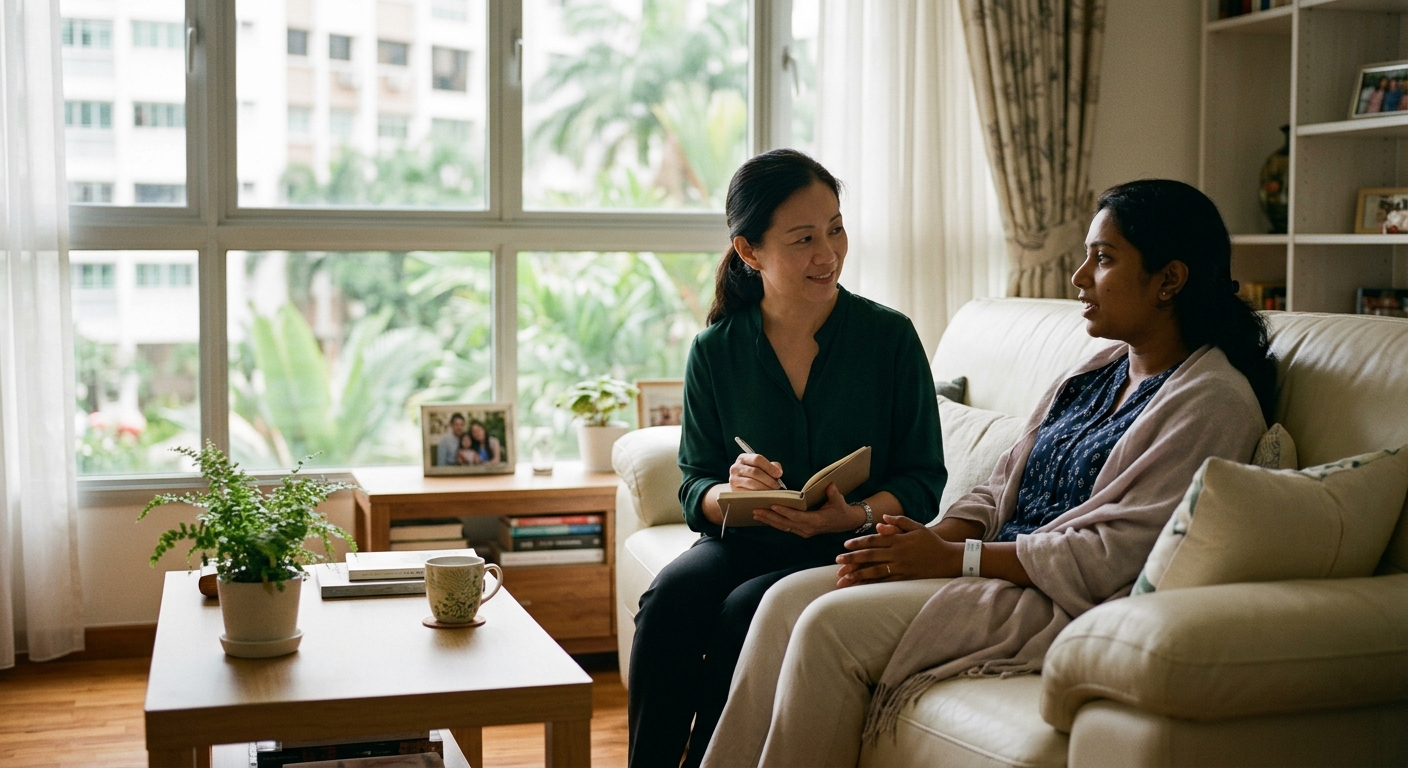
Emergencies, medical leave and hospitalisation: an employer's playbook is something most families only search for when they are already stressed—your helper is unwell, the clinic says “needs rest”, or you are in A&E wondering what to sign and what to pay. In Singapore, the right response is a mix of good care, MOM compliance, and clear communication with your helper, her family, and (when needed) the Philippine Embassy and the Philippines’ OEC process for any future travel. This guide lays out a practical, step-by-step approach you can keep on hand.
1) First response in emergencies: what to do in the first 60 minutes
In any emergency, your priorities are: safety, medical attention, and calm coordination. It helps to decide upfront who in the household will take charge of calling for help and who will manage the logistics.
Recognise “emergency” vs “urgent” vs “can wait”
Use common-sense thresholds:
- Emergency (call 995 / go to A&E now): severe bleeding, loss of consciousness, suspected stroke/heart attack, severe breathing difficulty, serious burns, major falls/head injury, seizures, severe allergic reaction, suicidal ideation.
- Urgent (same day clinic / urgent care): high fever with weakness, persistent vomiting, possible fracture without deformity, worsening pain, infected wounds.
- Can wait (next available clinic): mild flu symptoms, minor rashes, non-worsening pain.
When in doubt, err on safety and seek medical assessment. If language is a barrier, speak slowly and confirm understanding; many Filipinos are comfortable in English, but in pain people may struggle.
What to bring and what to record
Before you leave for a clinic or hospital, bring:
- Helper’s passport, work permit details, and any insurance information
- List of any medication she takes and known allergies
- A small notebook (or phone notes) to record timings, diagnoses, and instructions
Record:
- Time symptoms started and what happened
- Where you sought treatment and doctor’s name (if available)
- MC dates given and follow-up instructions
- Any receipts and itemised bills
These details matter later if there are insurance claims, follow-up visits, or MOM queries.
Consent and decision-making
In most situations, your helper can consent for herself. If she is incapacitated, the hospital follows standard medical protocols. Your role is to support, not to override. If the hospital requests a next-of-kin contact, ask your helper whom she wants to list, and help make the call.
2) Know your core responsibilities under MOM rules (and what "must" means)
Singapore’s Ministry of Manpower (MOM) expects employers to provide proper medical care for migrant domestic workers. The safest approach is to treat medical support as a non-negotiable part of employment.
Medical expenses: the baseline expectation
As a general rule, employers are responsible for your helper’s medical care in Singapore, including treatment and hospitalisation, within the terms of the Work Permit and required insurance coverage. This includes:
- Outpatient consultations and medication (e.g., GP/Polyclinic)
- Specialist visits when referred
- Hospital treatment, procedures, and post-discharge medication
You should also ensure your helper attends required medical examinations and meets Work Permit conditions.
Mandatory insurance and what it typically covers
Most employers will have a maid insurance plan that includes:
- Personal accident benefits
- Repatriation benefits
- Coverage for certain hospital expenses (subject to limits)
Coverage is not the same across insurers. One practical best practice is to keep a simple one-page summary of policy limits and the insurer hotline in your home folder.
MC (medical certificate) is not optional
If a doctor issues an MC, treat it as formal medical advice:
- Allow rest according to MC dates
- Avoid assigning “light chores” unless the doctor explicitly states what is allowed
- Keep a copy/photo of the MC for your records
This is both humane and protective for the household—pushing someone to work when unwell often worsens recovery and can create bigger disruptions later.
3) Medical leave (MC): how to manage work, rest, and fairness at home
Medical leave is often where misunderstandings happen, especially in busy households with children or elderly parents.
Set clear expectations for MC days
Explain simply:
- MC means rest and recovery
- She should inform you if symptoms worsen
- She should follow medication schedules and return for follow-up if advised
At the same time, you can set reasonable house rules:
- Keep noise low and ensure she can rest
- Agree on meal arrangements (e.g., who prepares meals if she usually cooks)
- Plan temporary caregiving coverage for kids/elderly
What if you suspect "fake MC"?
It’s not uncommon for employers to worry when symptoms are not visible (e.g., migraines, cramps, anxiety). Start with a fair approach:
- Ask how she is feeling and what the doctor said
- Check the clinic details on the MC
- If concerns persist, consider a follow-up review at a clinic you trust, but avoid accusatory language
A respectful tone matters. Trust is central to live-in employment, and a confrontational approach can damage the relationship quickly.
Practical home adjustments during recovery
Simple changes can shorten recovery time:
- Encourage hydration and proper meals
- Allow earlier nights / later mornings
- Reduce heavy work (mopping large areas, carrying loads)
- Keep the home well-ventilated
If your helper is caring for an elderly person, consider whether additional family support is needed temporarily. In some cases, a short-term caregiver arrangement is worth the cost to avoid a relapse.
4) Hospitalisation: admissions, costs, and what families should do (and avoid)
Hospitalisation can feel overwhelming, especially if it happens suddenly. Having a playbook reduces panic.
Choosing a facility: public vs private
In emergencies, go to the nearest A&E. For non-emergency admissions, your doctor’s referral usually guides you. Consider:
- Public hospitals: typically more structured for work permit holders, clearer billing, and more predictable processes
- Private hospitals: may have faster access but can be significantly costlier
If cost is a concern, ask the hospital billing counter early for an estimate and payment options.
Billing and documentation: keep it clean
From day one, organise:
- Admission letter/discharge summary
- Itemised bills and receipts
- Doctor’s memos on work restrictions
- Follow-up appointment dates
You’ll need these for insurance claims and for planning household coverage.
What not to do during hospitalisation
Avoid these common mistakes:
- Delaying treatment because you want to “observe first” despite worsening symptoms
- Asking the helper to sign documents she does not understand
- Withholding her passport as leverage (this creates distrust and may raise serious issues)
- Treating hospitalisation as a disciplinary problem
Even if the illness happened outside work hours, your priority should be care and compliance.
Supporting the helper emotionally (without overstepping)
Hospital stays can be lonely for someone far from home. Small support goes a long way:
- Ask if she wants you to update her family
- Help her top up phone credit or ensure she can contact home
- If she is comfortable, allow a trusted friend to visit during visiting hours
Many Filipino helpers have social networks around Lucky Plaza and Orchard. If she requests support from a close friend, consider it as part of humane care—within reasonable boundaries and hospital rules.
5) Communication and documentation: protect both sides with clarity
The best employer-helper relationships are kind, but also clear. In medical situations, clarity prevents later disputes.
Use a simple “care log”
Create a running log (notes app is fine):
- Symptoms and dates
- Clinic/hospital visited
- MC dates
- Medication schedule
- Follow-up dates
- Any work restrictions
This helps you manage the household, track costs, and hand over responsibilities if another family member needs to step in.
Handling language and cultural nuances
Most Filipino domestic helpers communicate well in English, but stress changes things. Use:
- Short sentences
- Confirming questions (“So the doctor said rest until Thursday, correct?”)
- A calm tone in front of medical staff
Also remember cultural factors: many helpers may downplay pain to avoid “trouble”. Gentle checking-in is often necessary.
Keep the agency in the loop when needed
If you hired through an agency, update them when:
- Hospitalisation occurs
- Long MC periods affect duties significantly
- You need guidance on insurance claims or repatriation processes
At Happy Home Agency, we encourage employers to reach out early—before problems pile up. You can also browse other guides for practical employment topics that often intersect with medical situations.
6) Who pays, insurance claims, and common cost questions (Singapore context)
Cost is a real concern, especially for hospitalisation. The goal is not to “argue later”, but to structure things properly from the start.
Typical cost components to expect
Medical bills may include:
- Consultation and tests (bloodwork, X-ray)
- Medication
- Procedures
- Ward charges
- Follow-up specialist visits
Ask for itemised bills. This is essential for insurance claims.
How to make claims smoother
Insurers commonly require:
- Diagnosis and dates of treatment
- Itemised receipts
- Discharge summary
- Claim forms completed accurately
Practical tips:
- Photograph documents immediately
- Keep originals in a single folder
- Call the insurer hotline to confirm claim steps (some require pre-authorisation)
If the bill exceeds coverage
If the bill is higher than insurance limits, discuss with the hospital about payment options. If you are uncertain about obligations, get advice early—don’t wait until stress turns into conflict.
What you should not do: pressure the helper to pay out of pocket while she is ill, or make threats about cancellation of her Work Permit during treatment. Those actions can create serious relationship breakdowns and may attract scrutiny.
7) Special situations: pregnancy, mental health, workplace injuries, and long recovery
Some medical situations have additional sensitivities.
Pregnancy
If pregnancy is suspected, seek medical confirmation promptly. This is an emotional topic; handle with privacy and respect. Depending on the situation, there may be employment and repatriation implications. Keep communication factual and avoid shaming language.
If repatriation eventually becomes necessary, remember that future deployment for the helper may require documentation and processes on the Philippines side, including embassy-related paperwork and the OEC (Overseas Employment Certificate) requirements for overseas workers. These processes are not instant, so planning matters.
Mental health: anxiety, depression, self-harm risk
If your helper expresses hopelessness, fear, or self-harm thoughts:
- Treat it as urgent and seek professional assessment
- Remove access to obvious hazards calmly (without making her feel “punished”)
- Ensure she is not left alone if risk seems high
Mental health conditions are medical issues. Early support can prevent escalation.
Workplace injuries
If an injury happened while working (e.g., slip in bathroom, burn while cooking), document the incident:
- Photos (if appropriate)
- Time/date and what happened
- Witnesses (if any)
Then focus on treatment and recovery. Good incident documentation helps clarify what happened and improves home safety (anti-slip mats, gloves, proper step stools).
Long-term conditions and repeated MCs
If your helper has repeated MCs for the same problem, consider:
- A specialist review
- Work redesign (e.g., less lifting, more supervised caregiving)
- Whether the job scope matches her health capacity
This is not about blame. It’s about ensuring the arrangement is sustainable and safe for both the helper and the family.
8) Prevention and preparedness: build your home’s “medical readiness” system
A calm response is much easier when preparation is done.
Keep a simple home medical kit and info sheet
Recommended basics:
- Thermometer, plasters, antiseptic, basic pain relief (as appropriate)
- Emergency numbers: 995, nearest 24-hour clinic, family contacts
- Helper’s insurance hotline and policy number
- A printed card with the home address and nearest landmark (useful in panic)
Set expectations during onboarding
When you first hire a helper, a short onboarding talk helps:
- When to tell you she is unwell
- How the household handles clinic visits
- Whether she should go alone or with a family member
- Your preference for which clinics (if any)
If you are still selecting a helper, start with a good fit—health, experience, and communication style all matter. You can review profiles in our helper directory and see how we approach matching through our services.
Use rest days well (recovery and prevention)
A proper rest day reduces burnout and helps prevent illness. Many helpers spend time around Orchard and Lucky Plaza meeting friends, buying familiar food, or attending church. As an employer, your role is not to control where she goes, but to ensure safety expectations are clear:
- Keep phone reachable for urgent household matters
- Return on time
- Seek help if feeling unwell
A rested helper is usually a healthier helper.
Making the Right Choice
Emergencies, medical leave and hospitalisation: an employer's playbook is ultimately about being the steady adult in the room—acting quickly, following medical advice, and meeting your responsibilities under MOM expectations. When you do this well, you protect your helper’s well-being and your family’s stability.
If you want guidance on best practices, documentation, or how to plan for contingencies as part of a healthier employment relationship, Happy Home Agency can help. You can start a hiring application if you are looking for a suitable Filipino helper, or contact our consultants (including WhatsApp) if you need practical next-step advice for your current situation. For more employer-focused tips, browse other guides.
Questions & answers
Let Happy Home Agency match your family with someone you can trust.
Since 2006, we've helped Singapore families find the right helper — not just any helper. EA Licence 06C4290.
Related articles
Hiring a Filipino helper in Singapore involves clear MOM rules, Philippine Embassy processes, and practical fit checks at home. Here’s a complete, family-first guide.
Considering a Filipino helper in Singapore? Learn the step-by-step hiring process, expected costs, MOM rules, OEC basics, and practical tips to match your household well.
Hiring a helper starts with the right MOM steps. Learn how the MOM work permit for domestic helper works, what you must prepare, and common pitfalls to avoid.