
Filipino Domestic Helper Hiring Guide for Singapore Families
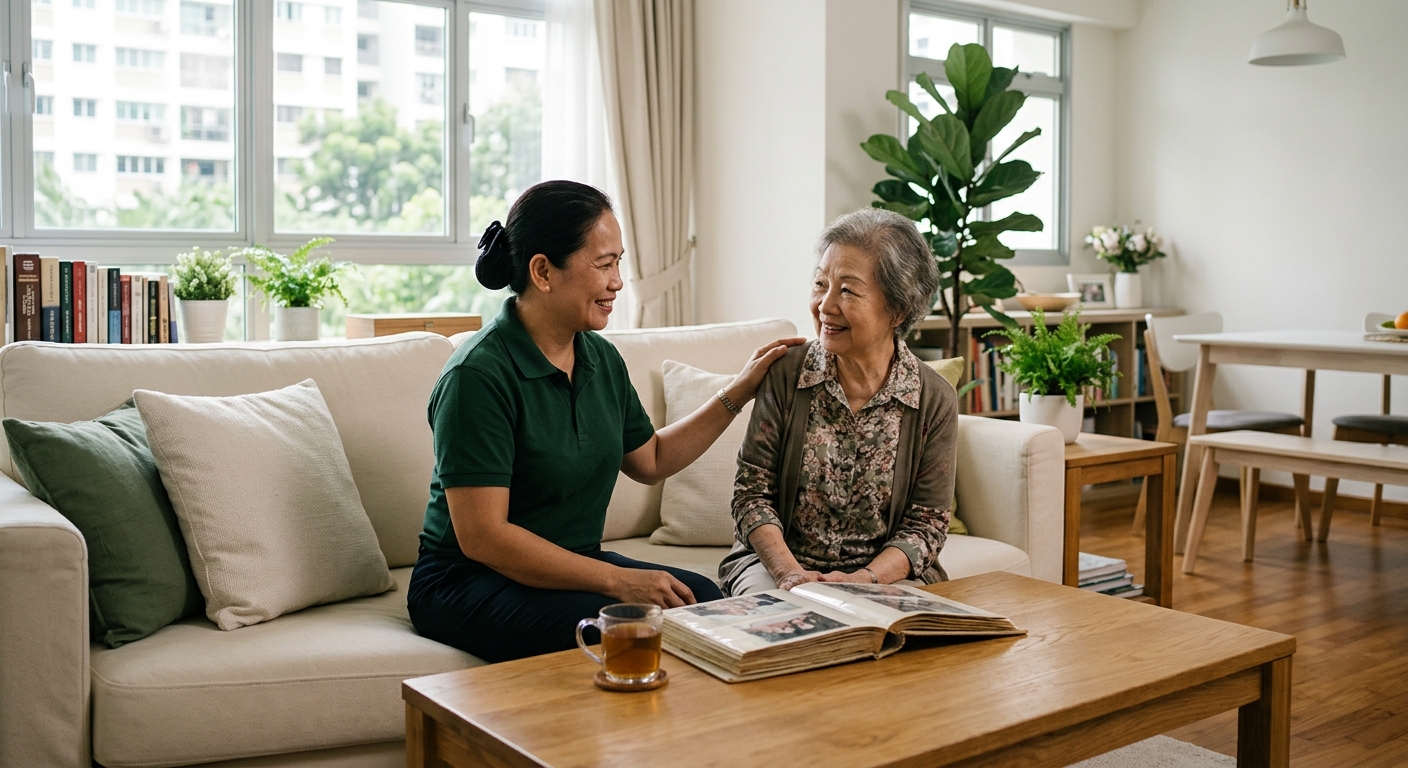
Hiring help at home is a big family decision, and for many households, a Filipino domestic helper is a trusted choice for childcare, eldercare, and daily home routines. This Filipino domestic helper hiring guide for Singapore families is written to help you understand what’s practical (and what’s required) in Singapore—so you can hire with clarity, comply with MOM regulations, and set up a respectful working relationship from day one.
1) Start with MOM eligibility, costs, and planning
Before you shortlist anyone, align your household’s needs with the Ministry of Manpower (MOM) framework. This reduces delays and prevents avoidable issues later.
Employer eligibility basics (MOM)
Most Singapore families can employ a Foreign Domestic Worker (FDW) if they meet MOM’s criteria. Common planning checkpoints include:
- Age requirements and ability to meet employer responsibilities
- Understanding the need for a security bond for non-Malaysian FDWs
- Making sure your household can provide acceptable accommodation and safe working conditions
If you’re unsure, speak to a consultant early—many families only discover eligibility constraints after interviews, which wastes time.
Budgeting: what you should realistically plan for
A practical budget helps you choose between a transfer helper (already in Singapore) and a new hire from the Philippines. Cost components often include:
- Monthly salary (varies with experience, skill set, and scope of work)
- FDW levy (and whether your family qualifies for levy concession, e.g., young children, elderly)
- Medical insurance and personal accident insurance (MOM requires minimum coverage)
- Placement and agency fees (employer-side) and any mutually agreed helper-side costs under regulations
- Upfront settling-in items (basic toiletries, phone SIM, bedding)
Avoid planning only around monthly salary. Under-budgeting can cause stress when documentation or onboarding costs come due.
Be clear about your household’s needs before you interview
Write down what matters most. This sounds simple, but it changes the quality of your interviews immediately. Include:
- Childcare vs infant care vs eldercare
- Cooking expectations (simple meals vs dietary restrictions)
- Cleaning routines (daily tidying vs deep cleaning schedule)
- Whether you need pet care
- Language preferences and communication style
- Any mobility considerations in your home (walk-up apartments, stairs)
If you want to start shortlisting right away, you can browse our helper directory and filter by experience, skills, and availability.
2) Understanding the Philippines-to-Singapore hiring pathway
Many families ask why hiring from the Philippines can feel more document-heavy. The reason is that you are complying with both Singapore’s requirements and the Philippines’ overseas employment processes.
The OEC and why it matters
For helpers deployed from the Philippines, the Overseas Employment Certificate (OEC) is a key exit clearance document. It’s part of the Philippines’ system to protect overseas Filipino workers and ensure proper processing. Without the correct paperwork, travel can be delayed even if Singapore’s side is ready.
As an employer, you usually won’t apply for the OEC yourself, but you should understand that:
- The deployment timeline depends on completing the Philippines-side documentation properly
- Reputable agencies coordinate this so the helper can depart smoothly
- Missing or incorrect items can cause last-minute flight changes
Philippine Embassy touchpoints (what families commonly encounter)
In Singapore, families sometimes encounter the Philippine Embassy for matters such as:
- Document verification and general guidance that may be relevant to Filipino nationals
- Support services for Filipino workers (where applicable)
You generally won’t need to visit the Embassy for routine hiring if you work with a proper agency, but it’s helpful to know that embassy processes can affect timelines for certain administrative needs.
Transfer helpers vs new arrivals: which is better?
Both routes can work well; the right choice depends on your urgency and preferences.
Transfer helper (already in Singapore):
- Faster start date in many cases
- You can meet in person and observe communication style more naturally
- Work habits in Singapore context may be clearer
New arrival from the Philippines:
- Larger pool to match specific needs
- Suitable if you can plan ahead and prefer a fresh start
- May require more lead time due to deployment documentation
A matching conversation with an experienced consultant helps you decide. If you’d like guidance on the best pathway for your family, see our services or contact our consultants.
3) Shortlisting and interviews: how to assess fit (not just experience)
A common mistake is hiring based only on “years of experience.” Experience matters, but fit matters more—especially when the helper will be supporting your children or elderly parents daily.
What to look for in profiles and references
When you review a biodata, focus on the details that predict day-to-day performance:
- Type of childcare handled (newborn, toddlers, school-age)
- Eldercare tasks (mobility assistance, companionship, medication reminders—note: medical tasks must be approached carefully)
- Cooking comfort level (Filipino dishes, Chinese meals, simple soup, dietary restrictions)
- Employment history: reasons for leaving, length of employment, stability
- Willingness to learn and follow household routines
Interview questions that give you real insight
Use scenario-based questions. They are more predictive than yes/no questions.
Here are examples that work well:
- “If my toddler refuses to eat, what would you do?”
- “How do you plan a day when the baby’s nap schedule changes?”
- “Tell me about a time you had a misunderstanding with an employer. How was it resolved?”
- “If my parent feels dizzy, what would you do first?”
- “What cleaning routine do you usually follow for bathrooms and kitchens?”
Listen for structured thinking, calmness, and openness to instructions—not “perfect answers.”
Practical skill checks (simple but effective)
If possible, add a light practical component:
- Ask her to explain how she would sterilise bottles or manage milk storage (if you have an infant)
- Ask what meals she can cook confidently (and what she needs recipes for)
- Discuss how she prioritises tasks when multiple things happen at once
For transfer helpers, a short in-person meeting can be helpful. Many families do this near central areas like Orchard for convenience, and helpers often have their weekend routines around Lucky Plaza—so plan sensitively and respect rest day boundaries.
4) Contracts, MOM paperwork, and key compliance points
This section of the Filipino domestic helper hiring guide for Singapore families focuses on staying compliant and preventing disputes. Clear paperwork also protects the helper and your family.
Work Permit, insurance, and security bond essentials
In Singapore, an FDW works under a Work Permit. Employers are responsible for ensuring requirements such as:
- Buying and maintaining medical insurance and personal accident insurance that meet MOM’s minimums
- Providing a security bond for non-Malaysian FDWs
- Ensuring the helper attends required briefings or programmes (as applicable)
Because regulations can change, it’s smart to rely on current MOM guidance and a licensed agency’s process checks.
Salary, rest day, and communication expectations
Clear agreements reduce misunderstandings. At a minimum, discuss and document:
- Monthly salary and payment date/method
- Rest day arrangements aligned with MOM requirements (and any mutually agreed compensation where permitted)
- Mobile phone use expectations (reasonable boundaries, not blanket restrictions)
- Visitors, privacy, and family rules
A healthy approach is to agree on outcomes (work done well, safety maintained) rather than micromanaging every minute.
Transfers and handover: how to do it responsibly
If you’re hiring a transfer helper, handle the transition with care:
- Confirm availability dates and any existing notice period matters
- Discuss what she is used to doing, and what will differ in your home
- Avoid assuming “same as last employer”—every household is different
To start the process properly, you can start a hiring application and share your household needs so we can shortlist accurately.
5) Onboarding in the first 30 days: set routines, not just rules
The first month usually determines whether the placement becomes stable. Even experienced helpers need time to learn your home layout, preferences, and the rhythms of your family.
A simple first-week onboarding plan
Families often do better when they provide a structured start. Consider this practical plan:
-
Day 1–2: Orientation
- Introduce family members and key contacts
- House tour: safety items, circuit breaker, first aid kit, gas shut-off
- Explain what “good” looks like (your standards for cleanliness and hygiene)
-
Day 3–5: Shadowing and feedback
- Demonstrate how you like bottles washed, laundry separated, floors cleaned
- Let her try while you observe once, then step back
- Give feedback quickly, kindly, and specifically
-
Day 6–7: Gentle independence
- Assign a manageable daily routine
- Keep one check-in time per day rather than constant reminders
Household handbook: small effort, big payoff
A one- to two-page “household handbook” prevents repeat misunderstandings. Include:
- Daily schedule (school runs, shower times, nap times)
- Food rules (allergies, snacks, sugar limits)
- Cleaning checklist by area
- What to do in emergencies (who to call first)
- Approved cooking items and storage system
This is especially helpful for families with shared caregiving across grandparents and parents.
Managing childcare and eldercare safely
If your helper is doing childcare or eldercare, align on safety early:
- Safe sleep, stroller use, and supervision expectations
- Hand hygiene and food safety
- For elderly: fall-risk awareness, safe transfers, and when to alert you
Be careful with anything that looks like medical treatment. When in doubt, keep the helper’s role to supportive care and follow your doctor’s instructions directly as the family.
6) Building a respectful working relationship (and preventing common issues)
A stable helper-employer relationship is rarely about one big decision; it’s built through consistent habits.
Communication rhythms that work in Singapore homes
Most misunderstandings come from assumptions. A simple rhythm helps:
- Daily 5-minute check-in (tasks, priorities, any concerns)
- Weekly 20-minute review (what went well, what to adjust)
- Use written notes or a shared checklist if your schedule is tight
If English is a concern, speak in short sentences and avoid indirect hints. Clear, respectful instruction is kinder than frustration later.
Food, personal space, and boundaries
These sensitive topics become easier when you address them early:
- Agree on meal arrangements (shared meals vs separate) and snack rules
- Clarify boundaries around bedrooms, children’s devices, and guest policies
- Provide a comfortable, private sleeping area that meets acceptable standards
Common red flags—and what to do early
Red flags don’t mean someone is “bad,” but they do mean you should intervene early.
Examples:
- Repeated safety lapses (leaving a toddler unattended, ignoring gate/door rules)
- Dishonesty about small matters
- Persistent refusal to follow reasonable instructions
- Escalating conflict with family members
When issues arise:
- Address the specific behaviour, not personality
- Give one clear standard and a timeframe to improve
- Document key incidents factually
- Get professional support early rather than waiting until emotions build up
If you need help mediating expectations or evaluating whether a change is necessary, reach out via contact our consultants. You can also browse other guides to understand common scenarios in Singapore households.
7) Why matching matters: choosing the right helper for your exact household
This Filipino domestic helper hiring guide for Singapore families would be incomplete without addressing the biggest success factor: the match itself. Two great people can still struggle if the job scope and personality fit aren’t aligned.
Match for the real job scope, not the “ideal” scope
Many families unintentionally advertise an unrealistic role: “cleaning, cooking, childcare, eldercare, and marketing errands” all at once. A better approach:
- Identify the top two priorities that must go well
- Decide what can be simplified (e.g., simpler meals on weekdays)
- Set a realistic daily routine with breaks
Examples of good-fit profiles
- Infant care: calm temperament, hygiene-focused, willing to follow strict routines
- Toddler + school runs: energetic, alert, confident outdoors, patient with transitions
- Eldercare: steady, respectful, communicative, comfortable with mobility support
- Cooking-focused household: enjoys cooking, open to learning family recipes, organised pantry habits
How agencies add value (when done properly)
A licensed agency should do more than paperwork. Look for process strengths such as:
- Careful screening and honest expectation-setting
- Interview coaching so families ask the right questions
- Documentation support across Singapore and Philippines requirements
- Post-placement support when small issues arise
If you’d like to explore options, you can start with our helper directory or start a hiring application so we can recommend shortlists based on your priorities.
Making the Right Choice
A Filipino helper can become an important part of your home when the hiring process is handled thoughtfully, compliantly, and with care. Use this Filipino domestic helper hiring guide for Singapore families as your checklist: align with MOM requirements, understand the Philippines-side documentation like the OEC, interview for real-life scenarios, and invest in good onboarding.
At Happy Home Agency (EA Licence 06C4290, established 2006), we support Singapore families with careful matching through our Precision Match™ approach and ongoing employer support through our 365-Day Employer Care™ program—so you’re not left alone after paperwork is done. If you’re ready, start a hiring application or WhatsApp us via contact our consultants to discuss your household needs and get a practical shortlist.
Questions & answers
Let Happy Home Agency match your family with someone you can trust.
Since 2006, we've helped Singapore families find the right helper — not just any helper. EA Licence 06C4290.
Related articles
Hiring a Filipino helper in Singapore involves clear MOM rules, Philippine Embassy processes, and practical fit checks at home. Here’s a complete, family-first guide.
Considering a Filipino helper in Singapore? Learn the step-by-step hiring process, expected costs, MOM rules, OEC basics, and practical tips to match your household well.
Hiring a helper starts with the right MOM steps. Learn how the MOM work permit for domestic helper works, what you must prepare, and common pitfalls to avoid.