
Home preparation checklist before your Filipino helper arrives
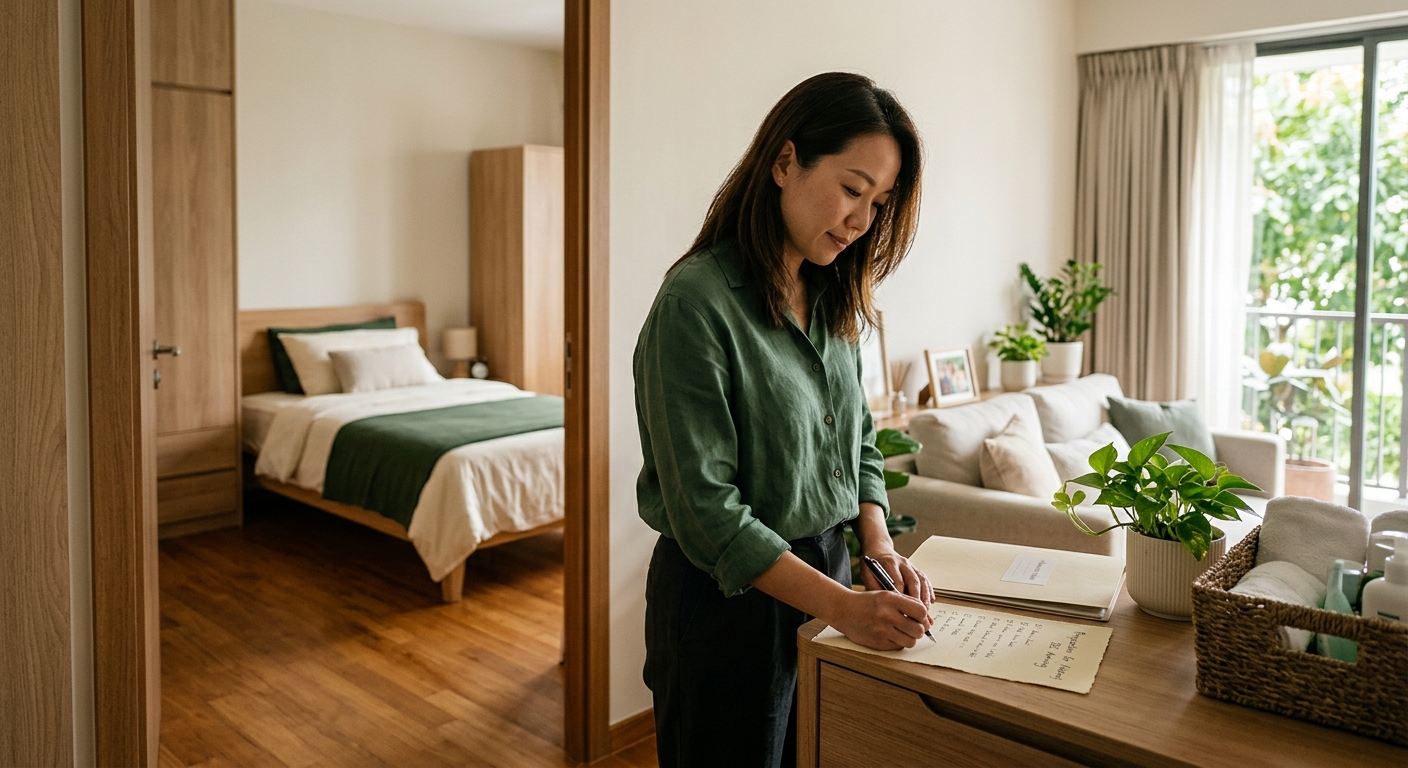
Bringing a Filipino domestic helper into your household is a big change—in a good way, when you prepare well. This home preparation checklist before your Filipino helper arrives is written for Singapore families who want a smooth first week: clear expectations, a safe home, and practical systems that reduce stress for everyone.
Think of it as setting up the “operating system” of your home. When your helper lands, she’s adjusting to a new country, new people, and often a different style of household management. A prepared home communicates respect and care—while also making it easier for you to onboard her into your family’s routines.
1) Confirm the must-do admin (MOM + onboarding basics)
Before you focus on the bedroom and groceries, lock in the essentials that can affect start date and peace of mind.
MOM requirements you should be aware of
Singapore’s Ministry of Manpower (MOM) sets clear requirements for employing a migrant domestic worker (MDW). While your agency will typically guide and coordinate, it helps to understand what’s happening:
- Work Permit issuance and in-principle approvals, aligned to the helper’s arrival timeline.
- Medical insurance and personal accident insurance requirements (the minimums are set by MOM). Many families also choose additional coverage for outpatient needs.
- Security bond arrangements (where applicable), which insurers typically manage.
- 6-monthly medical examination (6ME) scheduling after arrival.
If you’re still finalising your hiring steps, you can view candidates in our helper directory or start a hiring application to let our consultants advise on timelines.
Philippine side: OEC, Embassy processes, and what families should know
For Filipino helpers, there are additional deployment requirements governed by the Philippines (e.g., POEA/DMW processes) which can include an Overseas Employment Certificate (OEC) and documentation that ensures ethical deployment.
As an employer, you usually won’t handle these documents directly, but it’s useful to know:
- Your helper may mention OEC, contract verification, or briefing requirements.
- If she is coming via official deployment channels, arrival dates can depend on these clearances.
- It’s normal for helpers to have questions about the Philippine Embassy in Singapore after arrival (e.g., passport renewal). Being supportive builds trust.
Prepare a “Day 1” folder (simple but powerful)
Create a folder (physical or digital) with:
- Your address, nearest MRT/bus stops, and a simple map
- Important household contacts (you, spouse, grandparent, caregiver)
- Emergency numbers (995/999, condo security, nearest clinic)
- Wi-Fi name/password (so she can message family soon after settling)
- Notes on family members’ allergies, key medical conditions, and preferred clinics
This is less about control, more about helping someone new feel oriented.
2) Prepare the helper’s living space with dignity and practicality
A common first-week issue is discomfort from a room that’s technically “available” but not properly set up. A comfortable, safe sleeping area improves rest—rest improves work quality and morale.
Minimum essentials checklist (room and storage)
Aim to have these ready before she arrives:
- Clean bed and mattress protector
- Pillow + 2 sets of bedsheets
- Blanket (some helpers feel cold with air-con)
- Fan access (and guidance on safe use)
- Wardrobe or dedicated storage space (not shared with cleaning chemicals)
- Hangers, laundry basket
- Mirror (small is fine)
- Night light (useful for helpers caring for babies/elderly at night)
If your home layout uses a shared space (e.g., helper sleeps in a converted study area), prioritise privacy:
- A proper divider/curtain
- A clear “quiet time” expectation for the family as well
- Safe access to bathroom at night (no trip hazards)
Bathroom set-up: small items that prevent friction
Set aside a small caddy with:
- Towel, soap/shampoo, toothbrush cup
- A place to hang towels (avoid dampness)
- Clear household rule on which bathroom she uses, if more than one
If you have different preferences (e.g., keeping dry areas dry), explain gently and show how your bathroom is typically used in Singapore homes.
3) Do a safety walk-through (especially for kitchens, kids, and elderly)
A strong home preparation checklist before your Filipino helper arrives always includes safety. Many accidents happen in the first month because routines aren’t clear yet.
Kitchen safety and appliance onboarding
Singapore kitchens can be unfamiliar—induction hobs, convection ovens, and different detergents. Prepare:
- A simple “how we use the kitchen” note (or quick video)
- Labels for:
- Dish soap vs floor detergent
- Bleach vs disinfectant
- Handwash vs machine-wash laundry detergent
- Clear rule on what can/cannot go into dishwasher (if any)
Do a first-day kitchen tour to cover:
- Gas shut-off / induction lock
- Knife storage and safe chopping habits
- Where to dispose oil (never pour into sink)
- Fire safety: where the extinguisher is, and how to use it
Child safety (if you have toddlers)
If your helper will care for children, do a quick child-proof check:
- Gate at kitchen entrance (if relevant)
- Secure cleaning liquids away from low drawers
- Balcony/grille rules (no climbing chairs near windows)
- Safe stroller handling and lift etiquette
Also clarify your child-related rules early (screen time, snacks, outdoor play, playground boundaries). Ambiguity causes stress.
Elder care safety and transfer basics
For elderly care, prevent back injury and falls:
- Ensure non-slip mats in bathroom
- Show safe transfer technique (bed to wheelchair)
- Agree on escalation rules (when to call you, when to call ambulance)
- Prepare any assistive devices (walking stick, commode chair)
If complex mobility is involved, consider arranging basic caregiver training. In Singapore, many families find it helpful to supplement with a home nurse visit or physiotherapist guidance.
4) Stock up: food, personal items, and “first-week comfort”
A common concern helpers have is the first few days—what to eat, how to navigate, and whether they can contact home. A modest “welcome kit” goes a long way.
Pantry and meal planning (keep it realistic)
You don’t need to buy everything, but prepare enough for the first week:
- Rice/noodles, eggs, bread
- Basic seasoning (salt, pepper, soy sauce)
- Cooking oil, garlic/onion
- Simple proteins and vegetables
- Coffee/tea (optional)
Discuss food preferences kindly and plainly:
- Does she eat pork? Some don’t.
- Any allergies or dietary restrictions?
- Are there foods you don’t want cooked at home due to smell?
If you prefer she cooks separately or shares family meals, say it clearly. Many misunderstandings come from assumptions.
Personal essentials (avoid awkward first-day shopping)
Prepare:
- SIM card or plan for a quick trip to buy one
- EZ-Link card (or guidance on SimplyGo)
- Toiletries starter set
- Sanitary pads (if you’re comfortable doing so; otherwise, offer a trip to the supermarket)
Many families take helpers to Lucky Plaza (near Orchard) on an off-day for familiar Filipino groceries and remittance services. It’s a practical orientation trip—just set expectations on timing and safety.
5) Set household rules: clear, fair, and written down
Rules are not the problem—unclear rules are. A short, written household guide reduces repeated reminders and helps your helper feel secure.
What to include in a simple household guide
Keep it to 2–3 pages. Cover:
- Daily schedule (wake time, school run, meal times)
- Cleaning priorities (what “must be done” vs “when there’s time”)
- Laundry rules (what goes into dryer, delicate items)
- Phone use guidelines (especially during child-minding)
- Visitor rules and privacy boundaries
- Rest day arrangement and how to request leave
- Food arrangements (shared meals or separate)
- Boundaries for taking photos/videos of children (many families prefer no posting)
Be careful with overly strict micromanagement. Helpers perform best when expectations are clear and they’re trusted to execute.
Plan your first 14 days: training beats “thrown in”
A practical approach is to structure the first two weeks:
- Days 1–3: Orientation, safety, basic routines, light tasks
- Days 4–7: Add cooking preferences, laundry system, school run practice
- Week 2: Increase independence; refine standards and speed
During this period, do short daily check-ins (10 minutes) instead of constant corrections throughout the day.
Money handling: keep it transparent
If your helper will buy groceries or run errands, decide early:
- Will you give a fixed weekly amount?
- Do you want receipts?
- Do you prefer cash or PayNow transfers?
Clarity protects both employer and helper.
6) Set up tools and systems that make the home easier to manage
Your helper may be experienced, but every Singapore household works differently. The goal is to reduce guesswork.
Labels, lists, and routines that work
Simple tools:
- Labels on switches if your home has different circuits (water heater, hood, etc.)
- A cleaning checklist by area (kitchen, bathrooms, bedrooms)
- A weekly meal plan template
- A simple inventory note for diapers, formula, or elderly supplies
If you use apps, keep it basic:
- A shared WhatsApp group for household notes
- A shared calendar for school events and medical appointments
Teach your “standards” with examples (not criticism)
Instead of saying “clean properly,” show:
- How you prefer bedsheets folded
- Which surfaces must be wiped daily
- Where you consider “dusty” (fans, skirting)
Standards are cultural and personal. Demonstration prevents hurt feelings.
7) Plan rest days, communication, and emotional adjustment
A Filipino helper leaving home to work in Singapore is often carrying emotional stress—missing children, parents, and community. Good employers don’t need to be therapists, but they should plan for wellbeing.
Rest day expectations (and being practical)
In Singapore, rest day arrangements must follow MOM rules. Discuss:
- Which day is her rest day
- What time she can leave/return (reasonable and safe)
- How to request changes for family events
If you need her to work on a rest day occasionally, ensure it’s handled properly (with mutual agreement and according to MOM guidelines). When in doubt, ask an agency consultant.
Communication with family back home
Early on, help her get stable communication:
- Confirm Wi-Fi access
- Agree on phone use during working hours (especially with kids)
- Encourage calls during breaks and rest time
This reduces homesickness and improves focus.
Common first-month issues—and how to prevent them
These are normal, not “bad attitude”:
- Slower pace while learning your system
- Fear of making mistakes (leading to less initiative)
- Over-cleaning or under-cleaning due to different standards
- Food/cooking uncertainty
The fix is simple: calm feedback, written guidance, and reasonable ramp-up time.
8) Coordinate arrival day and the first week like a gentle onboarding
Arrival day can be exhausting. Plan it like you would for a new family member.
Arrival day checklist
- Prepare a light meal/snack at home
- Offer a shower and rest before any heavy tasks
- Do a short home tour (bedroom, toilet, kitchen, safety points)
- Share the Day 1 folder and household guide
- Confirm next-day plan (wake-up time, breakfast, any appointments)
If she arrives with documents, keep them safely and avoid misplacing anything in the first-day rush.
First-week training: what to demonstrate in person
Make time to demonstrate:
- How to operate washing machine/dryer settings
- Where cleaning items are stored and which to use on what surface
- Your preferred way to cook rice, prepare children’s meals, and pack bags
- How to lock doors, handle keys, and condo access cards
If your family uses specific products (e.g., marble cleaner, robot vacuum schedules), show rather than assume.
When to seek help early
Reach out early if you notice:
- Persistent misunderstanding despite clear training
- Safety risks (gas, knives, handling infants)
- Emotional distress that affects daily function
At Happy Home Agency, our 365-Day Employer Care™ approach is designed for these real-life situations—small issues are easier to solve when addressed early. You can always contact our consultants for practical next steps, or explore other guides for common employer concerns.
Making the Right Choice
A well-planned start sets the tone for the entire working relationship. Use this home preparation checklist before your Filipino helper arrives to get the practical details right—sleeping space, safety, routines, and fair rules—so your helper can settle in with confidence and you can focus on family life.
If you’d like personalised guidance (home set-up, onboarding plan, and matching based on your family’s needs), you can start a hiring application or contact our consultants to WhatsApp us. If you’re still comparing options, browse our services and view profiles in our helper directory—we’ll help you proceed calmly and in line with MOM and Philippine deployment requirements.
Questions & answers
Let Happy Home Agency match your family with someone you can trust.
Since 2006, we've helped Singapore families find the right helper — not just any helper. EA Licence 06C4290.
Related articles
Hiring a Filipino helper in Singapore involves clear MOM rules, Philippine Embassy processes, and practical fit checks at home. Here’s a complete, family-first guide.
Considering a Filipino helper in Singapore? Learn the step-by-step hiring process, expected costs, MOM rules, OEC basics, and practical tips to match your household well.
Hiring a helper starts with the right MOM steps. Learn how the MOM work permit for domestic helper works, what you must prepare, and common pitfalls to avoid.