
Home preparation checklist before your Filipino helper arrives
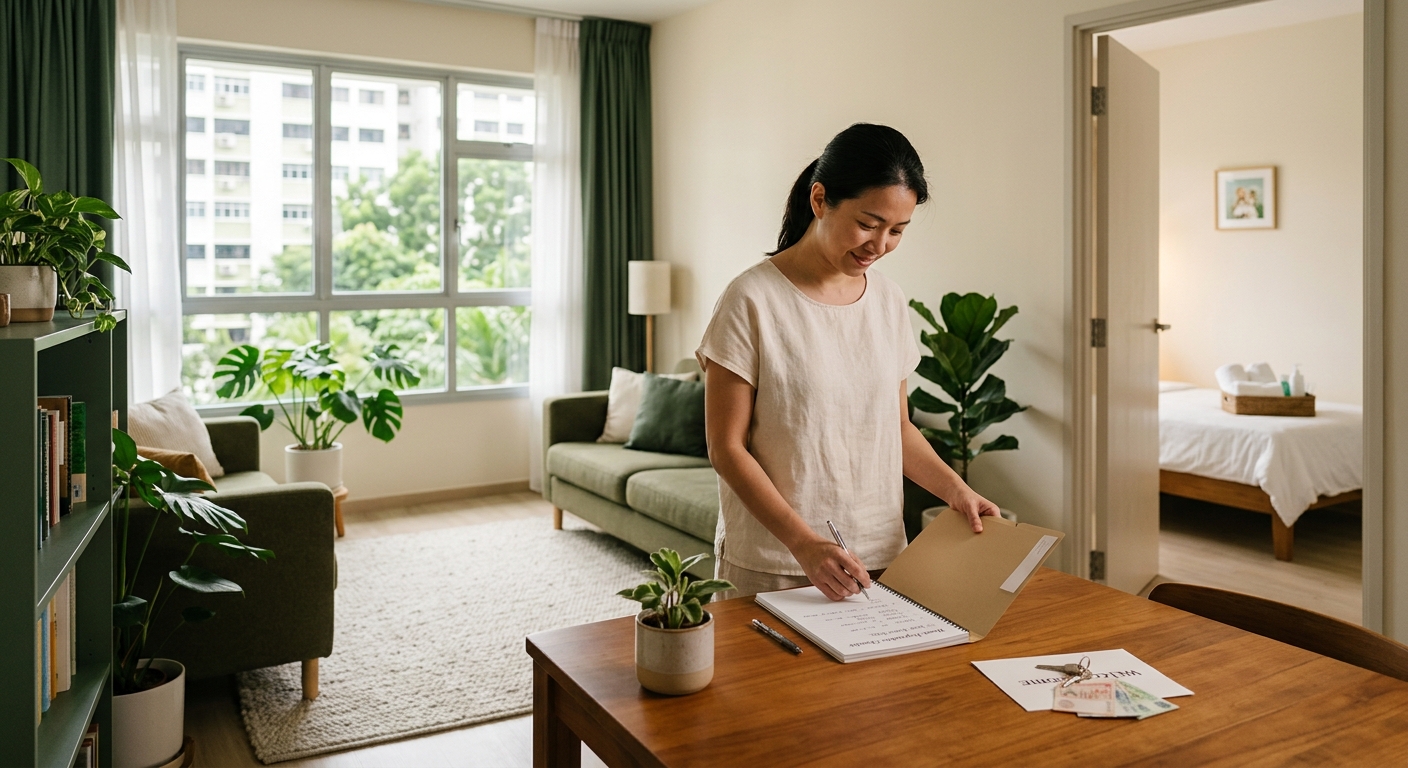
Bringing a new helper into your home is a big step for the whole family—especially if this is your first time employing a Filipino domestic helper in Singapore. A clear, practical home preparation checklist before your Filipino helper arrives reduces awkward first-day moments, sets the right expectations early, and helps your helper feel safe, respected, and ready to work.
This guide focuses on what Singapore families can prepare at home (not just paperwork): sleeping arrangements, safety and privacy, routines, handover, and how to align with MOM requirements and common processes like the Philippine Embassy’s documentation and OEC-related steps (where relevant). If you are still deciding who fits your household best, you can browse our helper directory or speak to us via contact our consultants.
1) Confirm the basics: dates, documents, and what MOM expects
Before you buy bedding or plan meals, lock in the practical timeline and requirements so you’re not scrambling on arrival day.
Align on arrival timing and first-week plan
Ask your agency or consultant to reconfirm:
- Estimated arrival date/time and where the handover will happen
- Whether your helper is entering on a fresh Work Permit or a transfer
- Your preferred schedule for the first 3–7 days (lighter duties, orientation, medical check-ups)
If you’re hiring through an agency, keep one point of contact for updates. If you’re working with Happy Home Agency, you can start and track steps via start a hiring application.
MOM requirements that affect your home setup
While many MOM obligations are administrative, some directly affect what you should prepare at home:
- Employer Orientation Programme (EOP): first-time employers must attend/complete EOP (or an equivalent requirement if applicable). Completing it early helps you set realistic routines and boundaries.
- Safety expectations: MOM takes incidents seriously. Preparing safety measures (window grilles, safe chemical storage, clear procedures) isn’t just “nice to have”—it reduces risk for everyone.
- Rest and wellbeing: MOM expects employers to provide acceptable accommodation and adequate rest. A prepared sleeping area and clear schedule supports compliance.
Philippine Embassy / OEC considerations (what to know as an employer)
Many Filipino helpers will mention the OEC (Overseas Employment Certificate) because it is tied to their overseas employment processing. Not every employer needs to handle this directly, but being aware helps you understand timelines, appointments, and why certain documents may be requested.
If your helper needs to visit the Philippine Embassy in Singapore or related service points (some families associate this with trips around Orchard/Lucky Plaza because helpers often meet friends or run errands there), plan time off and transport guidance sensibly. Clarify upfront what support you will provide for embassy-related appointments.
2) Prepare a comfortable, respectful living space (with privacy)
Your helper’s room is not only a place to sleep—it’s where they decompress, call family, and recharge. A well-prepared space reduces stress and improves long-term stability.
Sleeping area essentials
Aim for a clean, ventilated area with a door or meaningful privacy (even if space is limited). Prepare:
- Bed and mattress in good condition
- Pillow, bolster (if used), and at least 2 sets of bedsheets
- Blanket suitable for air-con or fan
- A small bedside light (helps prevent night-time accidents)
- Basic storage: wardrobe, drawers, or a dedicated shelf
If the sleeping area is in a shared space, discuss privacy boundaries clearly (changing clothes, rest time, phone calls). Put agreements in writing to avoid misunderstandings.
Practical items that reduce daily friction
These small items save time and prevent your helper from “guessing” where things go:
- Laundry basket and pegs / drying rack location
- Hangers and a small ironing space (if relevant)
- A set of towels (bath + hand towel)
- Toiletries starter kit (soap, shampoo, sanitary pads if you choose to provide)
- A reusable water bottle or cup dedicated for her use
Wi‑Fi and communication setup
Most helpers will contact family regularly. You don’t need to provide expensive plans, but do decide:
- Will you share home Wi‑Fi password? Any reasonable usage rules?
- Any quiet hours (e.g., calls after children sleep)?
- Emergency contact numbers to save in her phone
Clarity here prevents resentment on both sides. If you prefer limits, set reasonable boundaries and explain why.
3) Set up house rules that are clear, kind, and workable
House rules protect your home and your helper’s wellbeing—when they are practical and communicated respectfully.
Create a simple “House Handbook” (one page is enough)
A short written guide avoids repeated corrections. Include:
- Daily routine (wake-up times, meal prep expectations, school run timing)
- Areas that are private (master bedroom, study) and what access is needed
- Cleaning standards (what “done” looks like in your home)
- Laundry rules (what can go in washer, delicates, drying method)
- Device rules (phone during work hours, music volume)
- Food guidance (what’s free to eat, what’s for children only, what needs permission)
Keep the tone respectful. Avoid long lists of “don’ts”. Focus on what helps the household run smoothly.
Decide your stance on Sundays/rest days early
Rest days are a common stress point. Make decisions and communicate them clearly:
- Which day is the weekly rest day?
- What time can she leave/return?
- Any safety expectations (checking in if late, emergency contact)
A predictable rest day is part of a sustainable arrangement. Even if your family sometimes needs flexibility (events, travel), agree on how you will discuss changes.
Money and valuables: prevent issues before they start
It’s fair to protect your household and also fair to avoid making your helper feel distrusted.
Practical steps:
- Keep passports, jewellery, and cash in a secure drawer/safe
- Don’t leave large amounts of cash lying around
- Provide a small locked storage box for your helper if possible
Frame it as a household practice: “We keep important things secured so nobody gets blamed if something goes missing.”
4) Safety first: kitchen, chemicals, children, and elderly routines
A strong home preparation checklist before your Filipino helper arrives must include safety orientation. Many helpers are experienced, but every home has different hazards.
Kitchen orientation (prevent burns, fires, and food waste)
Do a short “kitchen walk-through” on day one:
- How to operate the stove/induction hob, oven, microwave, air fryer
- Where gas shut-off is (if applicable)
- Which pots/pans are for what (non-stick care)
- Where to find fire blanket/extinguisher
- Food storage rules: halal/no pork, vegetarian days, allergens
If you have children with allergies, show labels and explain cross-contamination simply.
Chemicals and cleaning supplies
Accidents often happen when helpers mix chemicals or use the wrong product.
- Label bottles clearly (especially if you decant into smaller bottles)
- Store bleach/strong chemicals away from children and food
- Explain which surfaces need gentle cleaners (marble, wood, coated cookware)
Consider a printed “Do not mix” reminder: bleach + acids/ammonia can be dangerous.
Window and balcony safety (non-negotiable)
In Singapore, window-related accidents are taken very seriously. Prepare:
- Proper window grilles or restrictors where required
- A strict rule: no leaning out, no standing on chairs near windows
- Provide safe tools: long-handled mop, squeegee
If your helper is expected to clean windows, specify which windows are safe to clean from inside only.
Caring for elderly family members
If your helper will support an elderly parent, align routines early:
- Mobility assistance methods (where to hold, how to transfer safely)
- Medication routine (who administers? where stored?)
- Food texture needs (soft diet) and choking risks
- Privacy and dignity expectations during bathing/toileting
If there are complex care needs, consider caregiver training or a clear SOP. You can ask about support under our services.
5) Prepare your “first week” onboarding plan (so it’s not overwhelming)
Many employer-helper relationships struggle not because of bad intentions, but because day one is too intense. A structured first week builds confidence.
Day 1: settle, orient, and keep duties light
Good Day 1 priorities:
- Show the home layout: kitchen, toilets, laundry area, rubbish disposal, storeroom
- Demonstrate key appliances (washer/dryer, water heater)
- Introduce family members and preferred names (Ma’am/Sir vs first names)
- Share emergency info: clinic, nearest police post, your contacts
Try to avoid deep cleaning expectations on day one. A tired helper may make mistakes.
Days 2–3: shadowing and standards alignment
Do things together once before expecting independence:
- How you prefer beds made, toys kept, dishes washed
- Where children’s items go (uniforms, socks, bottles)
- How you want floors cleaned (wet mop frequency, robot vacuum use)
This is also the best time to clarify “what matters most” in your home (e.g., hygiene in kitchen vs dusting).
Days 4–7: gradually hand over responsibility
As confidence grows:
- Assign consistent zones (kitchen + living room; bathrooms on alternate days)
- Start a simple weekly schedule posted on the fridge
- Encourage questions daily (5-minute check-in works well)
A simple numbered list for a weekly routine can help:
- Monday/Thursday: bathrooms + bedsheets
- Tuesday/Friday: mop floors + wipe fans/ledges
- Wednesday: kitchen deep clean (fridge check)
- Saturday: light cleaning + organise children’s items
Adjust to your household; this is only a template.
6) Get household supplies ready (and label where possible)
A common early frustration is the helper not knowing what to use, where items are, or what brand you prefer.
Starter inventory checklist
Prepare a basic stock so your helper doesn’t have to “make do”:
- Dishwashing liquid, sponges, gloves
- Floor cleaner appropriate for your flooring
- Toilet cleaner, brush, disinfectant
- Laundry detergent, stain remover (if you use one)
- Microfiber cloths (separate colours for kitchen/toilet if you prefer)
- Trash bags and recycling bags
Label cupboards or use simple stickers: “Plates”, “Kids cups”, “Cleaning cloths”. It saves weeks of corrections.
Tools that prevent injuries
Small upgrades reduce strain:
- Lightweight mop with extendable handle
- Step stool with anti-slip base (instead of chairs)
- Good broom/dustpan
- Anti-slip mat for bathroom
If you have a wet kitchen, explain the floor gets slippery and your preference for footwear indoors.
7) Plan for food, culture, and relationship-building (the part families forget)
Your helper is stepping into a new country and a new household culture. A little thought here goes a long way.
Meals and food boundaries
Decide what you will do about meals:
- Will she eat the same food as the family?
- Will you provide a food allowance or stock specific items?
- Any restrictions: pork, alcohol, certain cooking methods
Many Filipino helpers appreciate simple staples (rice, eggs, vegetables) and clear permission about what they can cook for themselves. If you prefer she asks before opening premium items, say so gently and point out alternatives.
Language and communication norms
English is commonly used, but accents and speed can cause misunderstandings.
- Use simple instructions at first
- Demonstrate once, then ask her to repeat back key steps (not as a test—just to confirm)
- If something goes wrong, correct calmly and specifically
Avoid scolding in front of children or elderly family members. Privacy keeps dignity intact.
Visitors, social life, and common Singapore touchpoints
Helpers often meet friends on rest days around Orchard and Lucky Plaza, because it’s a familiar community hub. Instead of banning places, set sensible safety guidelines:
- Stay alert with belongings and personal documents
- Keep emergency cash and your contact number
- Agree on return time and what to do if delayed
Trust is built when rules are reasonable and consistent.
8) Prepare a fair employment setup: expectations, boundaries, and support
A home preparation checklist before your Filipino helper arrives is incomplete without the human side: how you will manage feedback, training, and problem-solving.
Clarify job scope in plain language
Misalignment happens when employers assume “general housework” includes everything.
Write down:
- Must-do tasks (childcare, cooking, elderly assistance)
- Tasks that are occasional (window cleaning inside only, car washing)
- Tasks you do not expect (heavy lifting beyond safe limits, risky external cleaning)
If you used an agency matching process (like our Precision Match™ approach), align the home reality with what was discussed during selection so the helper doesn’t feel misled. You can also read more via other guides.
Set a feedback routine (prevents issues from piling up)
A simple habit works:
- 5–10 minutes twice a week for the first month
- Discuss what went well first, then one improvement area
- Ask what she needs (clearer instructions, different tools, more time)
This is especially important in the first 90 days.
Have a plan for medical care and emergencies
Prepare:
- Nearest clinic and after-hours options
- Where you keep basic first aid supplies
- Who to call first (employer, agency, family member)
If your helper falls sick, follow MOM guidance and ensure she gets appropriate medical attention. Keep receipts and records organised.
Know where your agency support fits in
A good agency does more than placement. If challenges arise—miscommunication, adjustment issues, performance concerns—ask for structured mediation and coaching early rather than waiting until frustration peaks. You can explore what we cover under our services.
Where Happy Home Agency Fits In
Preparing your home well is one of the most practical ways to start a stable working relationship—and it’s also how you protect your children, your elderly parents, and your helper. If you’d like personalised guidance using a detailed home preparation checklist before your Filipino helper arrives, our consultants can help you map out first-week onboarding, safety orientation, and realistic routines based on your household size and care needs.
If you’re ready to proceed, you can start a hiring application and tell us your preferred start date and household requirements, or WhatsApp us via contact our consultants for a quick, no-pressure discussion. If you’re still comparing profiles, you can also browse our helper directory to shortlist helpers whose experience matches your home setup.
Questions & answers
Let Happy Home Agency match your family with someone you can trust.
Since 2006, we've helped Singapore families find the right helper — not just any helper. EA Licence 06C4290.
Related articles
Hiring a Filipino helper in Singapore involves clear MOM rules, Philippine Embassy processes, and practical fit checks at home. Here’s a complete, family-first guide.
Considering a Filipino helper in Singapore? Learn the step-by-step hiring process, expected costs, MOM rules, OEC basics, and practical tips to match your household well.
Hiring a helper starts with the right MOM steps. Learn how the MOM work permit for domestic helper works, what you must prepare, and common pitfalls to avoid.