
Home preparation checklist before your Filipino helper arrives
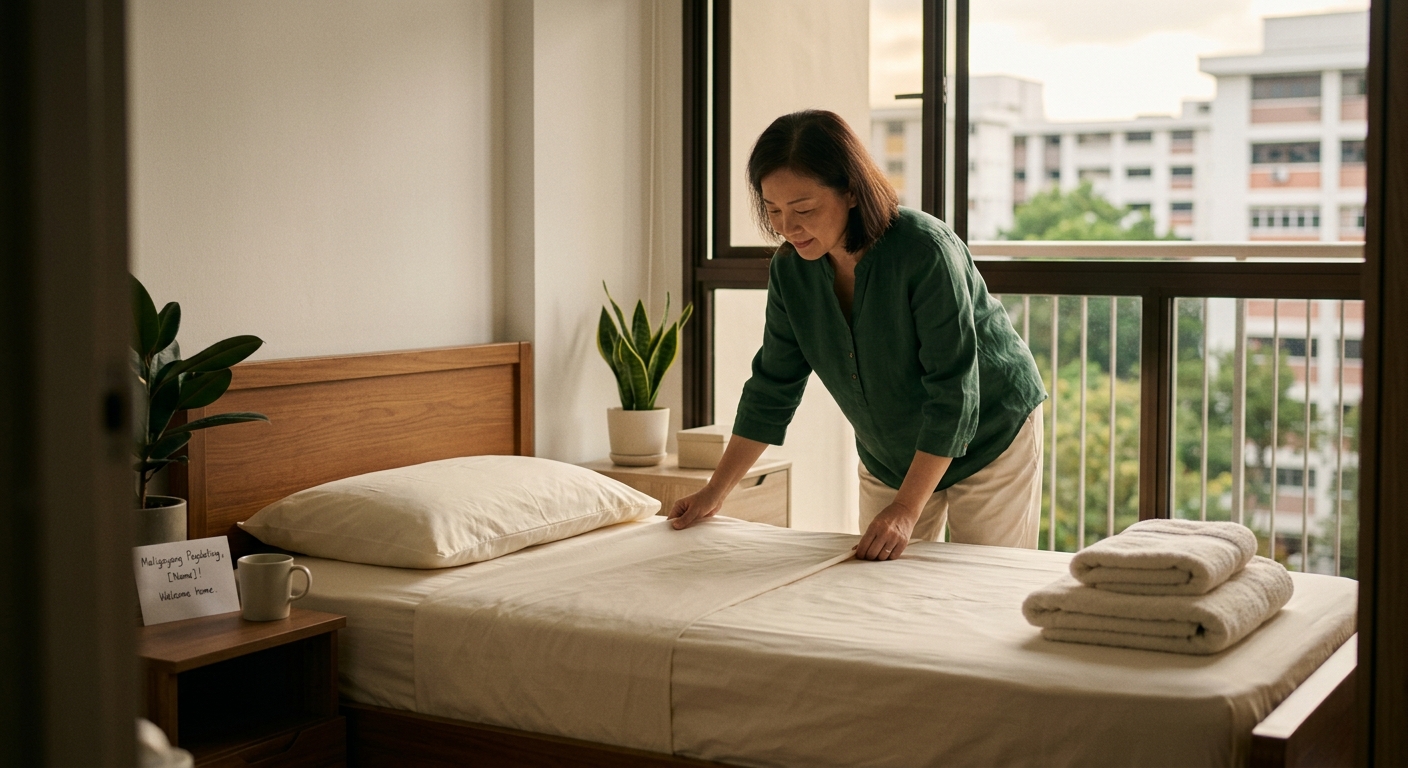
A calm, well-planned start makes all the difference when a new helper joins your household. This home preparation checklist before your Filipino helper arrives is written for Singapore families who want to be practical, respectful, and fully aligned with MOM requirements—so your helper can settle in smoothly and your family can establish a healthy working relationship from day one.
Use it as a step-by-step guide in the 1–2 weeks before arrival, plus a “first 72 hours” plan. Where helpful, we’ll also flag common Singapore realities—like medical insurance, safety briefings, and the practical errands many employers do around Orchard and Lucky Plaza for essentials.
1) Confirm the admin and compliance essentials (Singapore + Philippines)
Before you think about linens and groceries, get the must-do admin items clear. A large part of a smooth onboarding is avoiding last-minute surprises with documentation, medical steps, and mandatory briefings.
MOM requirements you should plan for
Under the Ministry of Manpower (MOM) framework for employing a Foreign Domestic Worker (FDW), employers typically need to ensure key items are completed on time (exact steps can vary by case and timing):
- Work Permit issuance and arrival coordination: Know the expected arrival date/time and where you’ll meet your helper.
- Medical insurance and personal accident insurance: Ensure coverage is arranged as required for FDWs.
- Security bond: If applicable, confirm arrangements early so there’s no delay.
- Settling-In Programme (SIP): First-time FDWs in Singapore must attend SIP shortly after arrival. Block time in your calendar.
- FDW Safety Course (for employers): Many employers must attend the Employer Orientation Programme (EOP), and households with young children may have additional safety emphasis. If you’re unsure what applies to you, ask your agency consultant.
Practical tip: Put all dates (arrival, medical exam, SIP, key collection if needed) into one shared family calendar so everyone knows the plan.
Philippine-side paperwork: OEC and embassy-related reminders
For Filipino helpers, there are Philippine deployment requirements that may be handled through the recruitment process. The term you’ll often hear is OEC (Overseas Employment Certificate)—a Philippine requirement tied to legal overseas employment.
What you should do as an employer:
- Ensure your hiring route is legitimate and properly documented.
- Keep scanned copies of key documents (IPA/Work Permit-related items, insurance certificates, employment contract) in a folder.
- If your helper needs to visit the Philippine Embassy in Singapore later (for passport matters, notary services, etc.), it helps to be familiar with travel time and scheduling constraints.
If you haven’t selected a helper yet or you want to double-check documentation milestones, you can browse our helper directory or contact our consultants for a checklist aligned to your specific case.
2) Prepare the helper’s room: privacy, comfort, and safety
A respectful living setup is the foundation of good working dynamics. Your helper is moving into your home and adjusting to Singapore—humidity, routine, food, and expectations—often all at once.
What “ready” looks like (minimum practical setup)
Aim to have these ready before arrival day:
- A clean sleeping space with a proper mattress
- Fresh bedsheets, pillow, blanket
- A fan (many helpers appreciate air movement even with aircon)
- A small wardrobe/cabinet or drawer space
- Laundry basket and a place to hang towels
- A charging point and an extension cord if needed (avoid overloading sockets)
- A waste bin
If your helper will sleep in a shared space (common in some flats), focus on privacy:
- A curtain or divider
- A consistent quiet time
- A clear plan for where personal belongings can be stored securely
Safety checks inside the room
- Ensure there are no exposed wires, unstable shelves, or blocked walkways.
- If the room is near the kitchen, confirm the smoke detector is working.
- Keep a simple night light available—many new arrivals feel disoriented in the first week.
Thoughtful welcome items (not expensive, just practical)
Consider setting out a small welcome pack:
- Toothbrush/toothpaste, soap, shampoo
- Sanitary pads (if appropriate and comfortable for you to provide)
- A reusable water bottle
- A simple snack (bread, fruit)
These small gestures reduce first-day anxiety and avoid your helper having to ask immediately.
3) Equip your home with the right tools (and remove guesswork)
Many misunderstandings come from unclear tools and unclear “how we do things here”. You can prevent this by standardising supplies and labels.
Cleaning supplies: keep it simple and labelled
Do a quick audit:
- Multi-purpose cleaner
- Dishwashing liquid
- Floor cleaner suitable for your flooring
- Toilet cleaner
- Microfiber cloths, sponges, brushes
- Mop, broom, vacuum
- Gloves
Then label clearly:
- “Kitchen only” sponges vs “Toilet only” brushes
- Floor cleaner dilution instructions (some families paste a small note)
Avoid giving strong chemicals without guidance. If you use bleach, explain:
- What it’s for
- How to dilute
- Never mix with other cleaners
Kitchen tools and cooking expectations
If you have specific cookware rules (non-stick care, no metal utensils), make it explicit. Prepare:
- A chopping board system (e.g., meat vs vegetables)
- Basic containers for food storage
- A written note on family dietary restrictions (halal practices, allergies)
If your family enjoys Filipino cooking sometimes, it helps to be open about ingredients and where to buy them—many employers and helpers shop at Lucky Plaza (Orchard) for familiar Filipino groceries and remittance services.
4) Create a household handbook: routines, boundaries, and what “good” looks like
A written guide is one of the most effective ways to reduce friction. It doesn’t need to be long; 2–4 pages is often enough.
Include these sections in your handbook
- Daily schedule: wake-up time, school run, meal times, nap times
- Weekly schedule: laundry days, ironing, groceries, cleaning zones
- Childcare routines: bath steps, bottle sterilising, screen time rules
- Elderly care routines: medication reminders (if allowed), mobility support, dietary notes
- House rules: visitors, phone use, meals, quiet hours
- Privacy boundaries: which rooms are private, handling of family documents
- Emergency procedures: what to do if someone falls sick, who to call
Keep language simple, and avoid overly emotional wording. Clear, neutral instructions are easiest to follow.
A simple, effective first-week plan (numbered)
- Day 1–2: Orientation, basic routines, simple meals, rest.
- Day 3–4: Add laundry and one deep-clean task.
- Day 5–7: Review what’s working, adjust schedule, confirm rest day plans.
This pacing matters. Many helpers feel pressure to “prove themselves” immediately; a staged plan prevents burnout and mistakes.
If you prefer a structured onboarding, our team can guide you through expectations-setting as part of our services.
5) Safety first: windows, kitchens, children, and elderly at home
Safety is not just a “rule”—it’s a daily habit. MOM and Singapore-wide advisories often emphasise preventing falls and household accidents, particularly around windows and cleaning at height.
Window and height safety (especially important in HDB/condos)
- Install and maintain window grilles where required and ensure latches work.
- Set a strict rule: no leaning out of windows, no standing on chairs near windows.
- Provide a stable step stool if needed, and specify what is allowed.
- If curtains need cleaning, plan a safe method—never improvise.
Kitchen safety briefing
Do a short kitchen walk-through:
- How to use the stove safely (gas shut-off points, induction settings)
- What cannot go into the microwave
- Knife storage rules
- Handling hot oil and avoiding water near oil
- Where the fire extinguisher is, and how to use it
Child and elderly safety
If your helper will care for young children:
- Explain choking hazards and what foods are allowed
- Explain which outings are allowed (playground, downstairs, neighbour visits)
- Share any allergies and where the medication is kept
For elderly care:
- Transfer techniques (if applicable)
- Fall-risk areas in the home
- Routine for hydration and meals
A short, calm safety briefing on Day 1 reduces risk far more than repeated scolding later.
6) Get your finances, salary process, and documentation ready
Money issues are a common source of tension—but they’re also easy to prevent with clarity.
Salary and payslip habits
Agree upfront on:
- Salary payment date each month
- Mode of payment (bank transfer is clean and traceable)
- Any authorised deductions (only if lawful and mutually understood)
Many employers keep a simple payslip record: salary, rest day arrangement, any agreed advances. Clear records protect both employer and helper.
Food arrangements and household expenses
Be clear about:
- Whether your helper eats the same meals as the family or has a separate food budget
- Rules for taking food/ingredients
- Whether your helper can cook her own meals during rest hours
There’s no single “right” method; what matters is consistency and dignity.
Mobile phone and SIM card
Most helpers will have a phone already. You may still want to plan:
- Wi-Fi access rules
- Whether you will help purchase a local SIM card
- Emergency contact list stored in both your phone and your helper’s phone
In Orchard/Lucky Plaza areas, it’s common to see helpers buying SIM cards, phone accessories, and remittance services—helpful context if you’re planning first-week errands.
7) Plan the first 72 hours: airport pickup, medical, and settling in
The day your helper arrives can feel hectic. A simple plan reduces stress for everyone.
Arrival day checklist
- Confirm who is picking up and what time
- Bring water and a light snack
- Keep your helper’s address and your phone number written down
- At home: give time to shower, rest, and eat
Avoid intense training on the first night. Jet lag and anxiety are real.
Medical examination planning
FDWs must typically complete a medical examination within the required timeline. Prepare:
- Clinic location and appointment slot
- What documents to bring
- A simple explanation of why it’s needed (keep the tone factual)
Settling-In Programme (SIP) scheduling
If SIP applies, schedule it early and plan transport. Explain what SIP is: a programme to help new FDWs understand living and working safely in Singapore.
If you are still finalising timelines, you can start a hiring application and we’ll walk you through the realistic sequence for arrival, exams, and briefings.
8) Set relationship expectations: communication, feedback, rest days, and culture
A good match is more than skills—it’s communication. This is where many families benefit from intentional preparation.
Communication norms that work in Singapore homes
- Use short, clear instructions (one task at a time at first)
- Demonstrate once, then observe and correct gently
- Encourage questions—especially in the first month
If English levels differ, consider:
- A shared notes app with simple checklists
- Photos showing how you like certain items arranged
Feedback rhythm: prevent small issues from becoming big
Set a weekly 15-minute check-in for the first 6–8 weeks:
- What went well
- What was difficult
- One improvement to try next week
This tone matters. A calm, consistent check-in builds trust faster than only speaking up when something goes wrong.
Rest day planning (be explicit and respectful)
Rest days are a key part of sustainable employment. Clarify:
- Which day is the weekly rest day
- What time your helper can leave/return (if you have reasonable timing needs, state them early)
- Whether there are family events where you’d like help (and how you will arrange it)
If your helper spends rest days around Orchard/Lucky Plaza, it’s normal—it’s a social and practical hub for many Filipinos in Singapore.
Cultural basics that reduce friction
- Some helpers are hesitant to say “no” directly. Watch for “yes” that actually means “I’m not sure.”
- Respect privacy: avoid reading messages or searching belongings.
- Food preferences can be deeply tied to comfort. If possible, allow some flexibility.
When families prepare thoughtfully, helpers often respond with loyalty and long-term stability.
Making the Right Choice
A well-structured start begins before your helper walks through the door. Use this home preparation checklist before your Filipino helper arrives to get your home set up, align your family routines, and meet key MOM timelines—so the first week feels calm, not chaotic.
If you’d like personalised guidance (including how to brief your helper, plan SIP/medical steps, and set fair expectations), Happy Home Agency can support you through our matching and onboarding process. You can start a hiring application today, or contact our consultants (including WhatsApp) and we’ll help you build a practical arrival plan for your household. For more reading, browse other guides or explore our services.
Questions & answers
Let Happy Home Agency match your family with someone you can trust.
Since 2006, we've helped Singapore families find the right helper — not just any helper. EA Licence 06C4290.
Related articles
Hiring a Filipino helper in Singapore involves clear MOM rules, Philippine Embassy processes, and practical fit checks at home. Here’s a complete, family-first guide.
Considering a Filipino helper in Singapore? Learn the step-by-step hiring process, expected costs, MOM rules, OEC basics, and practical tips to match your household well.
Hiring a helper starts with the right MOM steps. Learn how the MOM work permit for domestic helper works, what you must prepare, and common pitfalls to avoid.