
Off-days, Rest & Welfare Rules for Domestic Helpers (MOM)
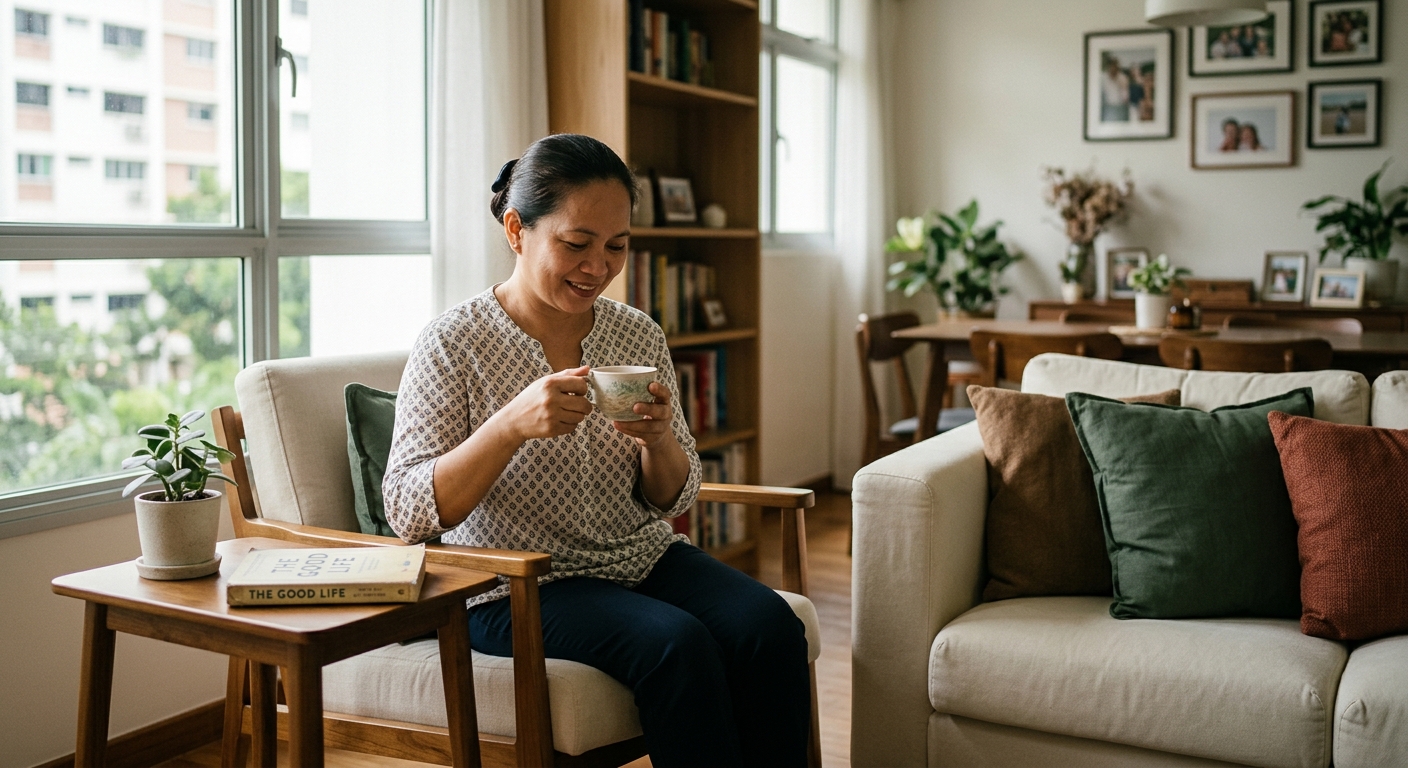
Off-days, rest and welfare rules for domestic helpers under MOM can feel straightforward on paper, but many Singapore families still get stuck on the practical details: what counts as a proper rest day, when payment in lieu is allowed, how to manage childcare needs fairly, and what "welfare" really means in a busy household. A clear understanding helps you stay compliant, avoid misunderstandings, and build a stable working relationship where everyone in the home feels respected and safe.
Below is a family-focused guide grounded in common MOM expectations, day-to-day realities in Singapore, and the administrative steps you may encounter when hiring a Filipino helper (including Philippine Embassy / OEC considerations).
What MOM Means by Off-days, Rest and Welfare
MOM’s framework for foreign domestic workers (FDWs) is designed around two big ideas: adequate rest and acceptable living and working conditions. Unlike many other worker categories, FDWs live in the employer’s home, so boundaries matter even more.
In practice, employers should plan for:
- Weekly rest days (off-days) and how they will be taken or compensated
- Daily rest and reasonable working hours (so your helper can recover physically and mentally)
- Basic welfare: food, accommodation, medical care, safety, and dignity
- A clear agreement on duties, privacy, and communication
If you’re still deciding who fits your family’s routine, it helps to start from a realistic schedule and expectations. You can browse our helper directory to compare profiles and discuss preferences (infant care, elderly care, cooking, etc.) before committing.
Weekly Off-days Under MOM: The Core Rule
The heart of the topic—Off-days, rest and welfare rules for domestic helpers under MOM—starts with the weekly rest day requirement.
MOM requires employers to provide FDWs with at least one rest day per week. This is typically one full day, and it should be agreed in advance and stated in the employment terms.
Can the Off-day Be on Any Day of the Week?
Yes. Many families choose Sunday, but it can be any day that works for both parties (e.g., a weekday if your children are in school and you have more coverage).
What matters is that it is:
- Regular and predictable (agreed and scheduled)
- A genuine day of rest, not a day filled with errands for the household
What Counts as a "Rest Day" in Real Life?
A rest day should allow your helper to rest and manage personal matters—meeting friends, attending church, running personal errands, or simply staying in to recharge.
Good practice on a rest day:
- Avoid assigning household tasks (including “quick” ones that add up)
- Plan meals in advance, or let your helper decide how to manage meals for herself
- Be clear about expectations if the helper remains at home (privacy matters)
Many Filipino helpers spend rest days around Lucky Plaza / Orchard where there are Filipino services, remittance counters, and community support. This is normal and often part of their social support system.
Paying Salary in Lieu of a Rest Day (When It’s Allowed)
MOM allows the rest day to be compensated (paid in lieu) only with the helper’s agreement. It should not be forced or treated as the default arrangement.
Key points for employers:
- Discuss and document the arrangement clearly
- Confirm the helper understands she has the option of taking the rest day
- Treat it as an exception (e.g., temporary childcare peak periods), not a permanent routine
A helpful mindset: if you truly need regular coverage, consider adjusting your family plan rather than routinely removing rest. For example, some families use a mix of family support, childcare, or eldercare services so the helper can still have consistent off-days.
Compensation, Consent and Documentation: Avoiding Disputes
Disagreements usually happen not because families intend to be unfair, but because expectations are not written down or are changed casually over time. A solid agreement protects both employer and helper.
Agree Early: Before Arrival (or Before Transfer)
If you’re hiring a Filipino helper, your documents and pre-departure arrangements may also interact with Philippine requirements. For many deployments, the OEC (Overseas Employment Certificate) and processing steps can require that employment terms are clear and consistent. While the Philippines-side requirements can vary based on entry pathway and documentation, it’s wise to keep your written terms neat and transparent.
What to Put in Writing
At minimum, document:
- Weekly rest day (which day, or how it will rotate)
- If payment in lieu is possible, when and how it’s calculated
- Public holiday approach (some families treat it separately from rest days)
- Work scope (so “extra duties” don’t creep in)
If you prefer guided help, start a hiring application and our consultants will walk you through how to align expectations early.
Keep Records for Clarity
You don’t need complicated systems, but you should be able to track:
- Rest days taken
- Rest days compensated
- Salary payments and any agreed deductions (where permitted)
Simple notes in a shared calendar or a written log can prevent “I thought we agreed…” situations later.
Daily Rest, Working Hours and Practical Boundaries at Home
While MOM’s weekly rest day requirement is the most visible rule, the spirit of Off-days, rest and welfare rules for domestic helpers under MOM also includes day-to-day rest.
Because FDWs live in the home, working time can unintentionally expand: early mornings, late nights, interrupted sleep, and “small requests” throughout the day.
Set Reasonable Daily Routines
A healthy routine usually includes:
- A predictable start time (especially if the helper handles school mornings)
- Rest breaks during the day (especially for elderly care or heavy cleaning)
- A reasonable end time where possible
For households with infants or dementia care, the day can be unpredictable. In these cases, focus on rotating heavy tasks, ensuring breaks when the care recipient naps, and considering additional support if sleep disruption is frequent.
Night-time Care: Be Honest About It
If your helper is expected to wake at night (baby night feeds, elderly toileting), acknowledge that this is real work and affects rest.
Practical ways families manage this fairly:
- Rotate responsibilities between family members on some nights
- Reduce non-essential duties the next day (e.g., postpone deep cleaning)
- Schedule the rest day right after a known “high demand” period where possible
Boundaries That Build Trust
Many long-term employer-helper relationships work well because boundaries are respectful and consistent:
- Avoid calling the helper repeatedly during her rest day unless it’s urgent
- Avoid last-minute changes to off-day plans without discussion
- Give clear instructions, then allow autonomy in how tasks are completed
If you’re unsure what “normal” looks like in Singapore households, you can reach out to contact our consultants for practical benchmarks.
Welfare Obligations: Accommodation, Food, Privacy and Safety
When people search for Off-days, rest and welfare rules for domestic helpers under MOM, they often mean more than just Sundays off. Welfare is also about daily living conditions.
Accommodation: Safe, Clean, and Dignified
MOM expects employers to provide acceptable accommodation. In real terms, aim for:
- A safe sleeping space with adequate ventilation
- Privacy for changing and personal time
- A secure place for personal belongings
- Reasonable access to bathroom facilities
If space is tight, the key is dignity and safety. Even when a separate room isn’t possible, families can create privacy with clear household norms (e.g., designated changing space, no one entering that space while she rests).
Food: Adequate and Culturally Appropriate
Providing food isn’t just “enough calories.” It should be:
- Sufficient in quantity
- Reasonably nutritious
- Respectful of dietary preferences where possible
Many families choose either:
- Shared family meals (the helper eats what the family eats), or
- A fixed monthly food allowance plus shared staples
Either approach can work. Problems arise when the helper is restricted from eating certain foods without clear reason, or when meal access is irregular due to schedules.
Personal Time and Communication
Allowing your helper to maintain contact with family matters for welfare and mental health. Agree on reasonable phone usage rules that fit your household, but avoid blanket bans that create resentment.
Medical Care, Insurance, and What to Do When Your Helper Is Unwell
FDW employment comes with specific employer responsibilities. While this article focuses on off-days and welfare, medical support is tightly linked to welfare.
Medical Responsibility in Practical Terms
Employers should:
- Ensure the helper can access medical care when needed
- Follow MOM requirements on insurance and medical coverage
- Keep emergency contacts and key documents available
If your helper reports pain, fatigue, or dizziness repeatedly, treat it seriously and respond early. Waiting until the issue becomes an emergency is stressful for everyone.
Pregnancy, Mental Health, and Sensitive Issues
Sensitive topics should be handled calmly and privately. Where appropriate, seek medical guidance and refer to official MOM guidance for next steps.
If your helper needs support engaging her embassy for documentation matters, note that the Philippine Embassy has processes and appointment systems for certain services. Many Filipino helpers are familiar with community support channels, but employers can help by allowing time off for appointments when required.
Common Scenarios Singapore Families Ask About (and How to Handle Them)
Below are practical scenarios we see often when matching families and helpers.
Scenario 1: "We Need Her on Sundays for Childcare"
If Sundays are your peak childcare day (tuition runs, multiple children), consider:
- Shifting the rest day to a weekday
- Using half-day childcare support and keeping the rest day intact
- Paying in lieu occasionally, but not as the permanent default
A stable arrangement beats ad-hoc negotiations every week.
Scenario 2: "She Wants Every Rest Day Out, But We Prefer She Stays Home"
A rest day is the helper’s time. If you have safety concerns, talk through them respectfully:
- Agree on a reasonable check-in time
- Ensure she has your contact details and understands emergency procedures
- Avoid controlling rules that create tension
If the helper chooses to stay home, give her space to actually rest.
Scenario 3: "Can We Ask Her to Do a Quick Task on Her Rest Day?"
Occasional genuine emergencies happen. But “quick tasks” easily become a pattern.
If it’s unavoidable:
- Ask, don’t order
- Offer time off later or pay in lieu, and record it
- Revisit why the household needs are spilling into rest time (is the workload too high?)
Scenario 4: "We Have Elderly Care Needs, She’s Always On-Call"
Elderly care can be physically and emotionally heavy. Consider these adjustments:
- Reduce non-care duties (less deep cleaning, fewer cooking expectations)
- Add mobility aids at home to reduce lifting strain
- Engage day care / respite support where possible
Sustainable eldercare arrangements keep helpers longer and reduce burnout.
Hiring and Matching: How Expectations on Rest and Welfare Start Right
A good working relationship starts before day one. When we match families with Filipino helpers, we encourage employers to be realistic about workload, rest, and household culture.
Be Clear About Your Household Rhythm
Share early:
- Number/ages of children, school schedules, enrichment classes
- Elderly mobility level and care tasks
- Cooking expectations (daily cooking vs. simple meals)
- Sleep arrangements and privacy constraints
This helps ensure the helper understands what she is agreeing to, and it helps you find someone whose preferences and strengths align.
You can read more practical hiring tips in other guides or review what we handle end-to-end in our services.
Two Simple Lists That Prevent Misunderstandings
Here are two lists you can use during the first-week orientation.
- Non-negotiables for the household (keep it short)
- Child safety rules (windows, gates, supervision)
- Phone use when supervising children
- Cleaning chemicals and safety procedures
- Non-negotiables for the helper’s welfare
- Weekly rest day arrangement (and how changes are handled)
- Sleep and privacy rules
- Medical reporting expectations (report early, no fear)
When both sets are respected, disputes drop significantly.
When to Revisit the Agreement
Revisit rest and workload if:
- A baby arrives or caregiving needs change
- You move house or add pets
- The helper’s responsibilities expand beyond what was originally agreed
A short monthly check-in can be enough: what’s working, what’s hard, and what small change would help most.
Where Happy Home Agency Fits In
Off-days, rest and welfare rules for domestic helpers under MOM are not just compliance checkboxes—they are the foundation of a stable home arrangement. When expectations on rest, workload, and welfare are clear, helpers settle in faster, children adapt better, and employers feel more confident that they are doing things properly.
At Happy Home Agency (EA Licence 06C4290, est. 2006), we help Singapore families hire Filipino helpers with fewer surprises using our Precision Match™ approach and continued support through 365-Day Employer Care™. If you’d like advice tailored to your household schedule (including rest day planning, scope of work, and what to document), you can start a hiring application or contact our consultants to chat—WhatsApp is welcome via our contact page. If you’re still exploring options, you can begin by browsing our helper directory and shortlisting profiles that match your caregiving needs and home routine.
Questions & answers
Let Happy Home Agency match your family with someone you can trust.
Since 2006, we've helped Singapore families find the right helper — not just any helper. EA Licence 06C4290.
Related articles
Hiring a Filipino helper in Singapore involves clear MOM rules, Philippine Embassy processes, and practical fit checks at home. Here’s a complete, family-first guide.
Considering a Filipino helper in Singapore? Learn the step-by-step hiring process, expected costs, MOM rules, OEC basics, and practical tips to match your household well.
Hiring a helper starts with the right MOM steps. Learn how the MOM work permit for domestic helper works, what you must prepare, and common pitfalls to avoid.