
How the Philippine Embassy OEC Process Works in Singapore
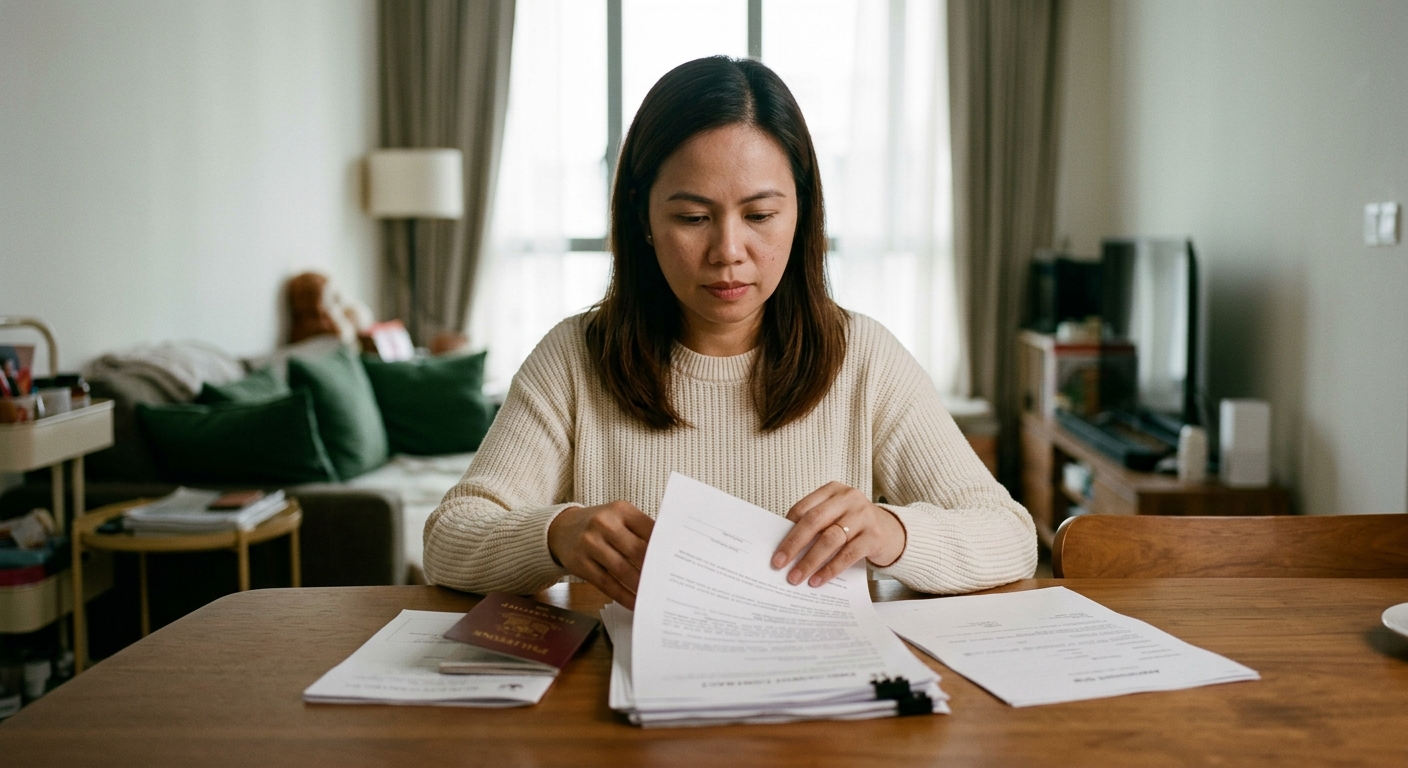
If you are hiring a Filipino domestic helper, it is normal to feel a bit lost when you hear terms like OEC, POEA/DMW, and “verification at the Philippine Embassy”. This guide explains How the Philippine Embassy OEC process works for helpers in Singapore in practical, Singapore-family terms—what the OEC is, when it’s needed, who does what, and how to avoid common delays that can affect start dates.
What an OEC Is (and Why Singapore Employers Should Care)
An OEC (Overseas Employment Certificate) is an exit clearance issued by the Philippine government (through its labour offices under DMW, formerly POEA) that allows an Overseas Filipino Worker (OFW) to leave the Philippines for overseas employment. For domestic workers, the OEC is closely tied to the worker’s employment documents, welfare protections, and the official record of where they will work.
Even though you are based in Singapore, the OEC matters to you because:
- It directly affects whether your helper can depart the Philippines and enter Singapore to start work.
- It confirms that the employment is properly documented, which reduces the risk of last-minute airport offloading.
- It is usually linked to required registrations/coverages (for example OWWA membership and other compliance steps depending on the helper’s situation).
In a typical Singapore hiring journey, you may already be following MOM requirements—Work Permit application, medical checks, insurance, and the security bond. The OEC process sits alongside that: Singapore rules govern the right to work here, while the Philippines’ OEC governs the right to depart the Philippines for that job.
The Key Parties: Philippine Embassy, DMW/POLO, and Your Employment Agency
To understand How the Philippine Embassy OEC process works for helpers in Singapore, it helps to know who is responsible for what.
Philippine Embassy / POLO / DMW: Who Handles What?
Families often say “Philippine Embassy OEC”, but the process usually involves the Philippines’ labour offices attached to overseas missions. Depending on current operational arrangements, you may see references to POLO (Philippine Overseas Labor Office) or DMW labour offices.
In practice, these offices help with:
- Contract verification (checking that the employment contract meets minimum standards)
- Worker welfare documentation, which can include guidance on OWWA membership and other required steps
- Issuance support for documents that link to OEC eligibility
The exact counters, booking methods, and document formats can change, so it’s wise to check the Philippine mission’s latest announcements before attending in person.
The Singapore Employer (You)
As the employer, your role is usually to provide accurate employer details and sign required employment documents. You also need to comply with Singapore’s MOM regulations, including:
- Work Permit eligibility and application requirements
- Mandatory medical insurance and personal accident insurance coverage (for FDWs)
- Security bond (where applicable)
- Rest day arrangements and employment terms that align with MOM guidelines
If anything you sign for the Philippines side contradicts what you submit to MOM, it can cause delays or rework.
The Employment Agency (EA)
A good agency acts as the bridge so you don’t have to guess what is needed when. At Happy Home Agency, our job is to coordinate the Singapore paperwork and the Philippines-side milestones so they don’t clash—especially when travel dates are tight.
If you are still browsing profiles, you can start with our helper directory. If you already have a candidate in mind, you can start a hiring application and our consultants will walk you through what is needed based on her location and employment history.
When an OEC Is Needed (Common Scenarios for Helpers Linked to Singapore)
Not every Filipino helper in Singapore will be at the exact same stage. Here are the most common scenarios families encounter.
Scenario A: New Hire Coming from the Philippines
If your helper is still in the Philippines and will be deployed to Singapore for the first time under your employment, the OEC is typically required for her to leave the Philippines.
What you will feel on the employer side:
- Timelines depend on document readiness, appointment slots, and whether any corrections are needed.
- Flight dates should only be confirmed when key approvals are in place, to avoid unnecessary rescheduling costs.
Scenario B: Transfer Helper Already in Singapore (No Home Leave Yet)
If you are hiring a transfer helper who is already in Singapore, she may not need an OEC immediately to begin work here, because she is not departing the Philippines at that point. However, if she later travels home and returns to Singapore under the new employment, OEC rules can become relevant.
Practical point: When planning a home leave after transfer, check early whether any re-documentation is needed so she can re-enter smoothly.
Scenario C: Returning Helper After Home Leave
If your helper goes back to the Philippines for a holiday and will return to Singapore to resume work, she may need an OEC for re-departure, depending on her documentation status and current Philippine regulations for returning OFWs.
This is where families get caught out: they assume “she’s already a helper, so she can fly back anytime.” In reality, if paperwork is incomplete or mismatched, she may face delays at the airport.
Step-by-Step: How the Philippine Embassy OEC Process Works for Helpers in Singapore
Below is a practical step flow that reflects how the process is commonly experienced. The exact order and required documents can vary based on the helper’s employment history, whether she is new or returning, and what the Philippine authorities require at that time.
1) Align the Employment Details (Before Any Verification)
Before documents are submitted for verification, ensure that the core details match across Singapore and Philippines paperwork:
- Employer name(s) and NRIC/FIN details
- Employer address in Singapore
- Helper’s name as per passport
- Job scope and rest day arrangement
- Salary and payment method
Small inconsistencies—like a unit number typo or a different spelling—can trigger rework.
2) Prepare the Employment Contract and Supporting Documents
The helper typically needs a set of documents for contract verification and OEC-related processing. These often include:
- A prescribed employment contract (Philippine-side format) signed by employer and helper
- Copy of employer NRIC (front/back) and contact details
- Proof of employer address (where required)
- Helper’s passport biodata page
- Work Permit-related documents (as applicable to the stage)
Your agency usually helps to ensure the right contract template is used and that signatures are correctly placed.
3) Contract Verification at the Philippine Side (Often via Labour Office Counters)
Contract verification is one of the steps that families often refer to when they say “go to the Embassy for OEC”. The purpose is to confirm the terms meet minimum requirements and that employment details are properly recorded.
Because processes can evolve, the best practice is:
- Confirm the latest appointment requirements (some services require pre-booking)
- Bring complete document sets to avoid repeat trips
- Ensure the helper’s personal details match her passport and prior records
For Singapore employers, the practical takeaway is simple: verification is a checkpoint that protects both worker and employer, but it can cause delays if anything is incomplete.
4) Worker Registrations / Memberships (Where Applicable)
Depending on the helper’s situation, she may need to ensure registrations are current (for example, welfare membership). When these are not current, she may have to complete them as part of the OEC pathway.
From a family’s perspective, you mainly need to:
- Provide the correct employer information
- Sign required forms promptly
- Avoid last-minute changes to start date or address during processing
5) OEC Issuance for Departure (Usually Closer to Travel)
OEC issuance is typically timed nearer to departure because it is tied to the worker’s current employment and travel plan. Once issued, it is used to clear departure formalities from the Philippines.
Practical reminders:
- Do not assume an OEC can be issued instantly on demand; processing time can vary.
- Ensure travel dates are realistic and allow buffer days.
- Keep digital copies of key documents in case reprinting is needed.
6) Arrival in Singapore: MOM Requirements Still Apply
After the helper arrives, Singapore’s MOM requirements continue to be the controlling rules for starting work:
- Entry approvals and conditions
- Medical examination and issuance steps (as applicable)
- Work Permit issuance formalities
- Employer Orientation Programme (when required)
The Philippines’ OEC helps her depart and travel properly; MOM documentation governs her legal work status in Singapore.
If you want a single coordinated view of the overall hiring journey, you can browse our services or see more practical guides in other guides.
Common Pain Points (and How to Avoid Delays)
When families tell us they are stuck, it’s usually because of one of these issues.
Document Mismatch
The most common delay is a mismatch in:
- Names (including middle names)
- Passport number
- Employer address
- Contract terms vs what was declared elsewhere
Fix: Lock the details early and do not “update later” unless truly necessary.
Last-Minute Appointment or Walk-In Assumptions
Some applicants assume they can walk in and finish everything in one morning. In reality, appointments, quotas, and document checks can mean multiple visits.
Fix: Confirm the latest booking requirements before heading down.
Incomplete Signatures or Incorrect Contract Format
Even when all information is correct, missing initials, wrong contract versions, or unsigned pages can cause rejection.
Fix: Use the correct template and do a page-by-page check before submission.
Overlapping Timelines with MOM Steps
If you schedule flights before key approvals, you risk rescheduling costs and stress.
Fix: Sequence the milestones properly. For example, confirm what must be in place before booking flights, and build buffer time around peak periods.
Practical Tips for Singapore Employers: Planning, Communication, and Support
Here are practical ways to keep things smooth while staying compliant.
Plan Your Ideal Start Date with Buffer
Even when everything is done correctly, external factors can affect timing. A safe approach is to:
- Choose an ideal start window (rather than a single fixed day).
- Avoid booking non-refundable flights too early.
- Keep at least 1–2 weeks buffer for unexpected re-submissions.
Keep Communication Clear with Your Helper
Many helpers handle parts of the process from the Philippines side, especially when they are still based there. Clear, calm communication helps:
- Confirm her passport validity and personal details
- Ensure she understands appointment times and required original documents
- Prevent duplicate or conflicting submissions
Know Where the Helper Community Goes (So You Can Support Respectfully)
In Singapore, Filipino helpers often go to Lucky Plaza and the Orchard area on rest days for remittance services, mobile plans, and community support. If your helper needs to settle practical matters after arrival (SIM card, remittance set-up, essentials), being aware of these common locations helps you plan reasonable time and expectations—while still respecting rest day boundaries.
Work with an EA That Tracks Both Sides of Compliance
A dependable agency reduces stress by checking consistency across MOM documents and Philippines-side requirements. At Happy Home Agency, our Precision Match™ system focuses on job-fit and family-fit, while our 365-Day Employer Care™ supports you beyond the paperwork—especially when real-life issues come up after placement.
If you are comparing options, you can explore our helper directory to see profiles and shortlist based on experience, childcare/eldercare skills, and language comfort.
What Families Commonly Ask About Fees, Timelines, and Responsibilities
Because OEC-related steps involve Philippine authorities, families often worry about hidden or unexpected costs. The responsible approach is to clarify upfront who is paying for what, and which payments are government-fixed vs service-related.
Are There Standard Government Fees?
Some charges are set by government agencies (for example, certain registrations or documentary fees), and some are service fees if you engage help to manage submissions. The actual items can change over time, so the best practice is to:
- Ask for a written breakdown from your agency
- Keep receipts and official acknowledgements where applicable
- Avoid paying “cash-only” amounts without clarity on what they are for
How Long Does the OEC Process Take?
There is no single universal timeline because it depends on:
- Whether the helper is a first-time deployee or a returning worker
- Appointment availability
- Completeness and accuracy of documents
- Any need to update records due to name/address changes
From a planning standpoint, treat the timeline as a range, not a fixed promise.
What If We Change Address or Travel Plans Midway?
Changes can be possible, but they often trigger re-verification or updated documents.
Best approach: If you anticipate moving house or changing caregiver arrangements, tell your agency early so advice is tailored to your case and aligned with MOM requirements.
Making the Right Choice
Understanding How the Philippine Embassy OEC process works for helpers in Singapore is not about memorising acronyms—it’s about planning a compliant, low-stress deployment so your helper can arrive with confidence and you can focus on settling her into your home.
If you would like a consultant to guide you based on your exact scenario (new hire from the Philippines, transfer in Singapore, or returning after home leave), we are here to help. You can start a hiring application anytime, or contact our consultants to chat (including WhatsApp) about timelines, documents, and what MOM and Philippine-side steps typically apply. For a broader view of support options, see our services and browse other guides.
Questions & answers
Let Happy Home Agency match your family with someone you can trust.
Since 2006, we've helped Singapore families find the right helper — not just any helper. EA Licence 06C4290.
Related articles
Hiring a Filipino helper in Singapore involves clear MOM rules, Philippine Embassy processes, and practical fit checks at home. Here’s a complete, family-first guide.
Considering a Filipino helper in Singapore? Learn the step-by-step hiring process, expected costs, MOM rules, OEC basics, and practical tips to match your household well.
Hiring a helper starts with the right MOM steps. Learn how the MOM work permit for domestic helper works, what you must prepare, and common pitfalls to avoid.