
Special needs and autism-trained domestic helpers in Singapore
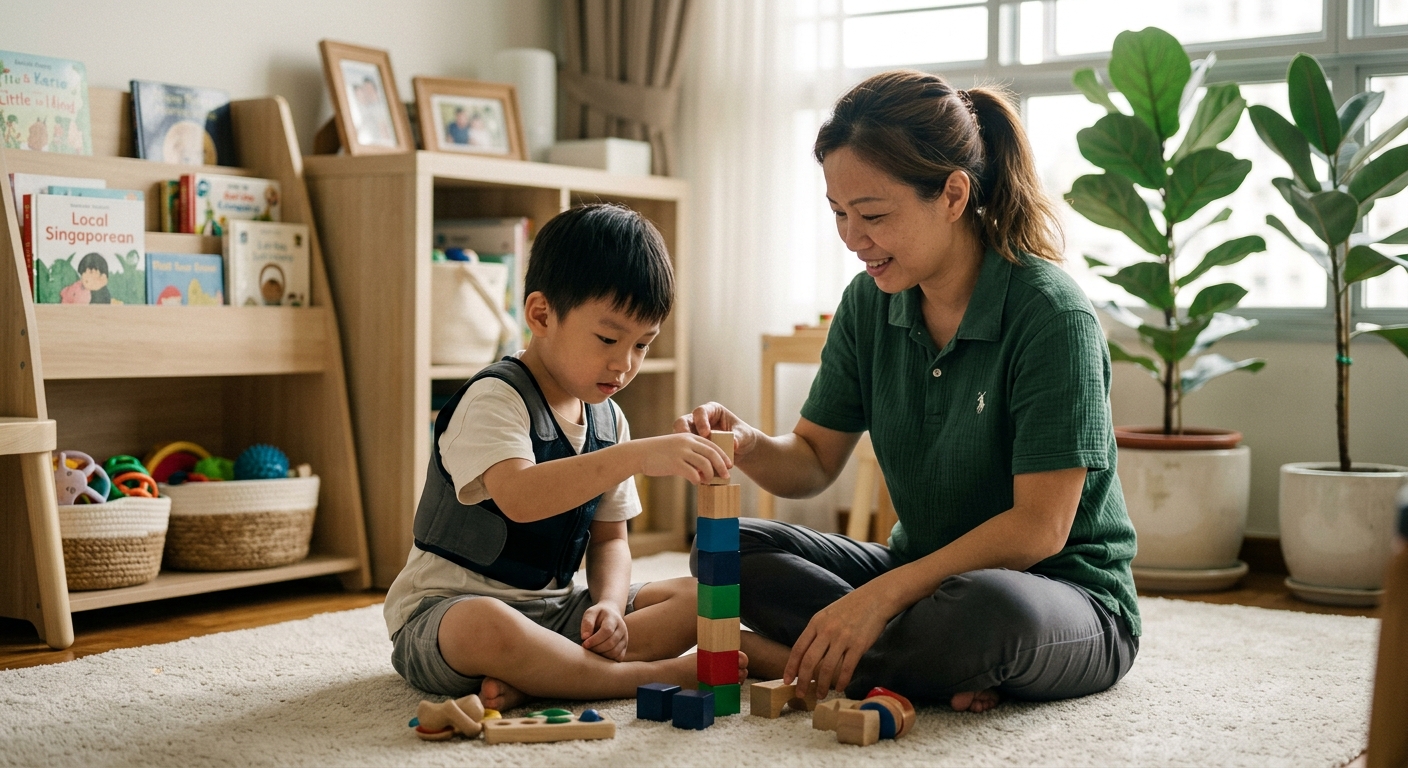
Finding the right support at home can be life-changing when you are parenting a child with additional needs. For many families, special needs and autism-trained domestic helpers in Singapore offer practical daily help—structured routines, safe supervision, calmer transitions—while parents focus on work, siblings, and therapy coordination. The key is knowing what “trained” realistically means, how to assess real-world fit, and how to hire in a way that protects your child, your helper, and your household.
What “autism-trained” means (and what it doesn’t)
In Singapore, the term “autism-trained” is not a single government-issued certification. Different training providers, caregivers, and past employers may use the phrase differently. As an employer, you’ll want to clarify the exact competencies rather than rely on a label.
Skills that matter most at home
For most households, the most helpful skill set includes:
- Safety supervision (preventing wandering, managing stairs/lifts, safe kitchen routines)
- Routine-based caregiving (visual schedules, consistent prompting, timed transitions)
- Basic behaviour support (de-escalation, calm tone, reducing triggers, redirecting)
- Communication support (simple language, choice-making, supporting AAC if used)
- Personal care support (toileting, bathing, feeding, dressing—age and needs dependent)
- Coordination with parents and therapists (carrying over home programmes consistently)
A helper does not need to be a therapist to be helpful. Many families do best with a helper who can follow clear instructions, keep consistent routines, and communicate observations reliably.
Common misconceptions to avoid
It’s worth setting expectations early:
- “Autism-trained” does not mean the helper can replace early intervention, occupational therapy, speech therapy, or behavioural therapy.
- Past experience with one child on the spectrum may not translate directly to your child’s needs.
- Training alone is not enough—temperament, patience, and consistency are equally important.
Is a domestic helper the right option for your child and family?
A foreign domestic worker (FDW) can be a steady presence, but the home environment and job scope must be designed carefully—especially for children with higher support needs.
Situations where a helper can be especially helpful
Families often look for special needs and autism-trained domestic helpers in Singapore when:
- Both parents work and school hours don’t align with therapy sessions
- The child needs close supervision for safety (bolting, climbing, sensory seeking)
- Siblings also need attention and stable routines
- Parents want continuity of care rather than rotating carers
Situations where you may need additional supports
Consider layering support (instead of expecting one person to manage everything) if:
- The child has frequent aggressive incidents or severe self-injury
- Complex medical care is involved
- Night waking is persistent and exhausting for caregivers
In these cases, talk to your child’s care team and consider respite care, specialised carers, and school-based supports, while assigning your helper a safe, well-defined role.
How to assess a helper’s real capability (beyond the profile)
A good match is a blend of skills, confidence, and fit with your household. When we shortlist candidates through our Precision Match™ approach, we focus on evidence—what the helper has actually done, in what setting, and with what results.
Interview questions that reveal practical experience
Instead of asking, “Are you autism-trained?”, try:
- “Describe your day-to-day routine with the child. What time did you start, and what were your main tasks?”
- “What were the child’s main triggers? How did you reduce meltdowns?”
- “How did you manage transitions—leaving the house, bath time, bedtime?”
- “How did you handle public situations (lift, playground, mall) safely?”
- “What would you do if the child refused to eat / ran toward the road / hit themselves?”
Listen for specific, step-by-step answers, not just “I am patient.”
Practical scenario checks (simple but telling)
You can present one or two short scenarios:
- Your child is screaming because the iPad is removed. What do you do first? What do you do next?
- Your child bolts at the lift lobby when the doors open. How do you position yourself and prevent it?
You’re looking for calm, safety-first reasoning: blocking exits, lowering voice, reducing demands, offering controlled choices, and informing parents.
The temperament markers that matter
In our experience, families do best with helpers who show:
- Emotional steadiness (not easily flustered)
- Gentle firmness (boundaries without shouting)
- Observation skills (noticing patterns and triggers)
- Willingness to learn (accepting coaching without defensiveness)
If you’re browsing options, you can start with our helper directory and note candidates who describe relevant childcare routines, special needs exposure, and long-term placements.
Training, onboarding, and setting a safe job scope
Even an experienced candidate needs a structured onboarding plan. This is where many households either succeed quickly—or struggle with misunderstandings.
What training should you look for?
Training may come from:
- Prior employer coaching (daily routines, safety rules)
- Caregiving or child-minding courses in the Philippines
- Exposure to therapy programmes and home-based plans
What matters is whether the helper can apply learning consistently. You can also ask for the candidate’s comfort level with:
- Visual schedules and timers
- Sensory strategies (quiet corner, headphones, movement breaks)
- Toileting routines and hygiene support
- Food selectivity and safe feeding
Create a written home care plan (simple is fine)
A one- or two-page plan helps everyone. Include:
- The child’s daily timetable (wake-up, school, therapy, meals, bedtime)
- Safety rules (door gates, lift protocol, no unsupervised bathing)
- Communication approach (short phrases, first-then, choice boards)
- Escalation plan (what to do during a meltdown, who to call)
- What to record daily (food, sleep, incidents, bowel movements if relevant)
A clear plan also protects the helper from unrealistic demands.
Managing expectations and boundaries
Be explicit about what the helper will and will not do. For example:
- Will the helper accompany the child to therapy?
- Is the helper expected to manage the child alone outdoors?
- What household chores are reasonable given the supervision needs?
Many families find it helpful to prioritise child safety and routine over a long list of housework—especially in the first 8–12 weeks.
Hiring compliantly in Singapore: MOM rules, contracts, and safeguards
When hiring special needs and autism-trained domestic helpers in Singapore, compliance is not just paperwork—it’s risk management.
Core MOM requirements to keep in mind
Singapore’s Ministry of Manpower (MOM) regulates FDW employment. As an employer, you must ensure key requirements are met, including:
- A valid work permit and approved employment arrangement
- FDW insurance that meets MOM requirements
- Security bond (for non-Malaysian FDWs)
- Weekly rest day arrangements in line with MOM rules (or compensation if mutually agreed)
Because regulations can change, it’s wise to verify the latest requirements directly with MOM and work with an experienced agency for the process.
Aligning job scope with ethical employment
Children with additional needs can require intense attention. A common issue is unintentional overloading: full-day caregiving plus heavy cleaning plus cooking for extended family. That’s a fast track to burnout.
A healthier setup typically includes:
- Reasonable division of duties
- Adequate rest and sleep
- Predictable time off
- Respectful communication and training support
Philippines documentation: OEC and returning helpers
For Filipino domestic helpers, documentation and deployment processes may involve the Philippine Overseas Employment Certificate (OEC) and requirements governed by Philippine authorities. Some families also encounter processes connected to the Philippine Embassy in Singapore (for documentation matters) depending on the helper’s situation.
If you are considering a transfer helper already in Singapore, it’s still important to handle paperwork properly and ensure all approvals are in place.
If you’d like guidance on the full process, you can review our services or start a hiring application so our consultants can advise based on your timeline and needs.
Practical routines that help children with autism thrive at home
A helper’s day-to-day execution matters most in the ordinary moments: mealtimes, bath time, homework, outdoor transitions, and winding down.
Building structure without being rigid
Many children do better when the helper uses:
- Same sequence, same language (e.g., “toilet, wash hands, snack”)
- Timers for transitions
- First-then statements (“First shower, then story”)
- Consistent boundaries around screens
Structure reduces anxiety. Over time, your helper becomes an anchor for routine.
De-escalation basics for non-therapists
While every child is different, a home de-escalation approach often includes:
- Keeping voice low and language short
- Reducing demands temporarily (safety first)
- Offering controlled choices (2 options)
- Moving to a safer, quieter space
- Avoiding power struggles during escalation
What your helper should not do: threaten, shame, use physical punishment, or force compliance during a meltdown. If safety risks arise, parents should set clear escalation steps and seek professional guidance.
Community considerations: outings, malls, and safety
Singapore is convenient—but busy places can be overwhelming. If your helper accompanies your child to the community, plan routes and rules.
Helpful practices include:
- Knowing the child’s triggers (noise, crowds, queues)
- Positioning for safety at lift lobbies and crossings
- Using ID tags or a card with emergency contacts
- Having a “go-bag” (water, snacks, wipes, comfort item)
Some families do trial outings around familiar areas like neighbourhood malls before busier zones (for example, Orchard can be intense on weekends). On rest days, many Filipino helpers also gather around Lucky Plaza; it’s a good reminder to keep schedules clear and communication respectful—your helper needs proper rest to care well during the week.
Costs, timelines, and how to plan for a stable placement
Beyond salary, families should budget realistically for ongoing employment costs and contingency planning.
Typical cost components to prepare for
While costs vary by profile and arrangement, plan for:
- Agency fees (if using an agency)
- Salary and agreed allowances
- MOM-related costs (levy, insurance, medical exams where required)
- Replacement hiring contingencies if the match fails
Planning a realistic settling-in period
For special needs caregiving, allow time for trust and routine to form. A practical settling-in approach:
- Weeks 1–2: shadowing parents, learning the child’s patterns, safety protocols
- Weeks 3–6: partial independence at home (with check-ins)
- Weeks 7–12: stable routine, refining strategies, adding responsibilities carefully
If you need a faster handover, it’s still possible—but only if parents can provide clear written routines and daily feedback.
Red flags that suggest a mismatch
Be alert if you notice:
- The helper frequently raises voice or appears easily angered
- Safety lapses (doors left open, distracted phone use during supervision)
- Resistance to following the child’s established routine
- Dishonest reporting of incidents
A mismatch does not always mean the helper is “bad”—it may be a fit issue. The earlier you identify it, the easier it is to correct with coaching or consider a change.
Where Happy Home Agency Fits In
Hiring special needs and autism-trained domestic helpers in Singapore is not only about choosing the most experienced profile—it’s about matching the right temperament, realistic competencies, and willingness to follow your home programme. At Happy Home Agency (EA Licence 06C4290, est. 2006), we work with Singapore families to shortlist suitable Filipino domestic helpers using our Precision Match™ process, and we support employers through our 365-Day Employer Care™ program.
If you’d like a careful, family-centred recommendation, start with our helper directory to view profiles, then start a hiring application so we can understand your child’s needs and your household routine. If you prefer to speak with a consultant first (including WhatsApp), you can contact our consultants. For more practical reading, browse other guides to plan your hiring steps with confidence.
Questions & answers
Let Happy Home Agency match your family with someone you can trust.
Since 2006, we've helped Singapore families find the right helper — not just any helper. EA Licence 06C4290.
Related articles
Hiring a Filipino helper in Singapore involves clear MOM rules, Philippine Embassy processes, and practical fit checks at home. Here’s a complete, family-first guide.
Considering a Filipino helper in Singapore? Learn the step-by-step hiring process, expected costs, MOM rules, OEC basics, and practical tips to match your household well.
Hiring a helper starts with the right MOM steps. Learn how the MOM work permit for domestic helper works, what you must prepare, and common pitfalls to avoid.